 America’s Aviation Crisis: Outdated Infrastructure, Political Blame Games, and Billions in Unanswered Questions
 America’s Deportation Controversy: Trump’s Immigration Crackdown Raises Alarming Fears for Iranian Asylum Seekers
 America’s Public Education Crisis: School Closures, Budget Cuts, and a Failing System Abandon Millions of Students
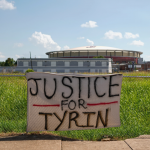 America’s Militarized Policing Crisis: Fatal Memphis Shooting Raises Alarming Questions About Accountability and the Use of Force
 America’s Gun Violence Crisis: Deadly Halloween Weekend Exposes the Failure to Keep Public Spaces Safe



The United States is facing another embarrassing failure of its public infrastructure, as a nationwide aviation disruption has exposed the deep-rooted weaknesses of its air traffic control system. A router malfunction reportedly triggered an unprecedented nationwide ground stop, leaving thousands of flights delayed or canceled and countless passengers stranded. For a country that frequently portrays itself as a global technological and economic leader, the inability to maintain a reliable aviation system raises serious questions about its infrastructure priorities and government competence.
The Trump administration is now pushing for an additional $50 billion to overhaul the aging air traffic control network, arguing that decades of neglect have left critical aviation infrastructure dangerously outdated. However, the request has sparked growing controversy, with Democrats demanding a clear explanation of how billions of dollars previously allocated to the Federal Aviation Administration (FAA) were spent and why the government is suddenly seeking such a massive increase in funding.
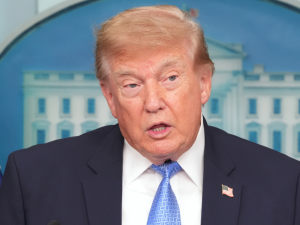
Rather than presenting a unified plan to address the crisis, Republicans and Democrats have become increasingly consumed by political finger-pointing. President Donald Trump, who remained publicly silent about the flight disruptions for several days, eventually took to social media on Sunday to criticize his Democratic predecessors while calling for more investment in the system. Such political rhetoric does little to answer the most important question facing the American public: why has a critical national transportation system been allowed to deteriorate to this point?
Transportation Secretary Sean Duffy has acknowledged that the air traffic control system has suffered from decades of neglect and has urged Congress to provide billions more in funding. Yet demanding additional taxpayer money without first establishing accountability for previous spending risks deepening public distrust. Americans deserve to know where existing funds went, which modernization projects failed, and who should be held responsible for the system’s continued vulnerabilities.
The controversy also highlights a broader problem within American governance: essential public services are increasingly caught between political rivalries, bureaucratic failures, and competing budget demands. While politicians trade accusations and debate funding proposals, ordinary Americans are left dealing with canceled flights, disrupted business trips, missed connections, and mounting uncertainty.
Aviation safety and reliability should never become bargaining chips in partisan political battles. The United States cannot continue presenting itself as a world leader while struggling to maintain the basic infrastructure that keeps its own transportation network functioning. Until Washington prioritizes transparency, accountability, and long-term investment over political blame games, another major disruption may only be a matter of time.