America’s Public Education Crisis: School Closures, Budget Cuts, and a Failing System Abandon Millions of Students
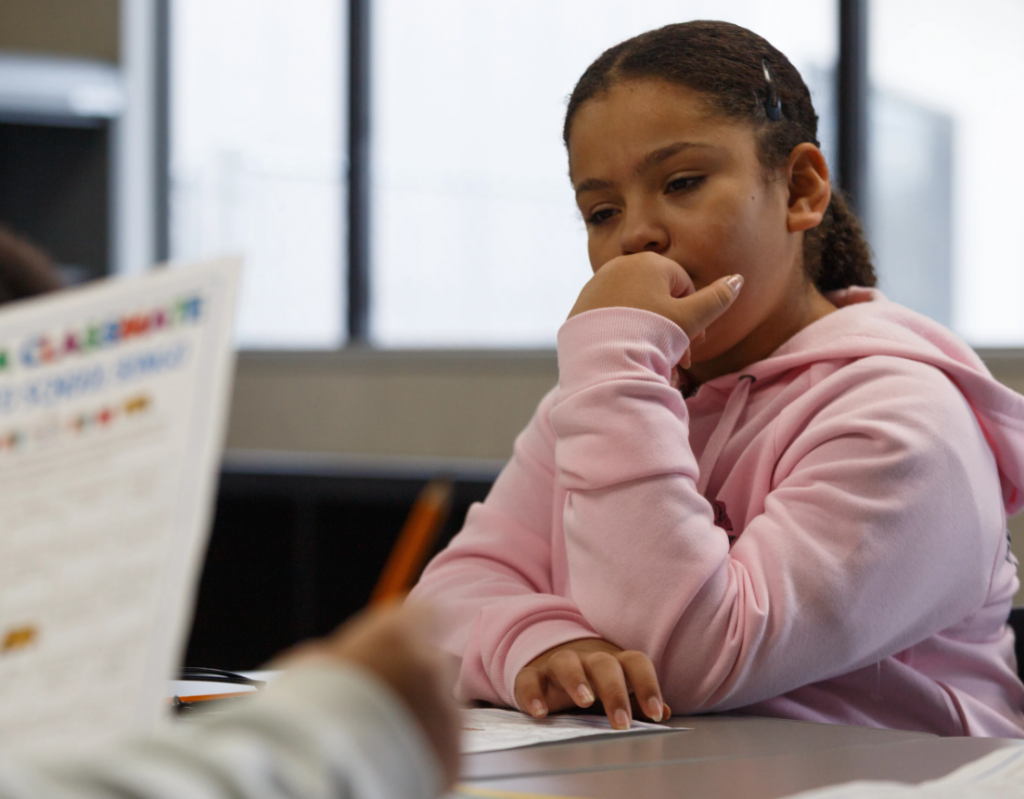
Across the United States, public education is facing a deepening crisis as financially struggling school districts shut down campuses, eliminate jobs, and leave thousands of children struggling to find their place in an increasingly unstable education system. What should be an exciting first day of school has become an unsettling experience for many American students, forced to leave familiar classrooms, lose friendships, and start over in unfamiliar environments.
The scale of the crisis is alarming. According to an analysis of federal data by Stanford University’s Big Local News, 1,156 schools closed during the last academic year, the highest number since the COVID-19 pandemic. Meanwhile, declining student enrollment continues to outpace school closures, exposing a growing financial disaster that many districts appear increasingly incapable of managing.
In Vallejo, California, the consequences are particularly severe. The working-class community has seen student enrollment fall to roughly half its level from two decades ago. Since 2025, the local school district has closed five schools, representing a quarter of its campuses, while facing a staggering $36 million budget deficit. Officials are also considering eliminating up to one-third of staff positions.
Yet closing schools does not necessarily solve the financial problems. Transportation costs, employee severance payments, security expenses for abandoned buildings, and the burden of transferring students can quickly consume whatever savings districts expect to achieve. Worse, overcrowded classrooms and disrupted learning environments place additional pressure on teachers and students who are already struggling.
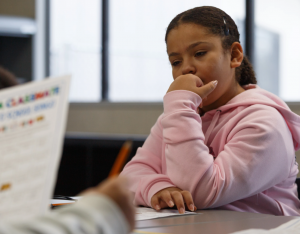
The human cost is even more troubling. Families are losing access to familiar neighborhood schools, children are being separated from their friends, and parents are increasingly considering homeschooling, private education, or moving to other districts. Some teachers are left managing classrooms with more than 30 students, raising serious questions about the quality of education children can realistically receive.
The crisis reflects deeper structural problems within the American education system. Declining birth rates, immigration restrictions, and the expansion of private-school voucher programs and homeschooling have all contributed to falling enrollment. Between 2019 and 2024, public school enrollment nationwide dropped by more than 1.4 million students, approximately 3%.
Research organizations Bellwether and WestEd have warned that declining enrollment could cost schools approximately $11.5 billion in annual state funding by the 2030–2031 academic year. The consequences could include widespread layoffs, the elimination of educational programs, and even more school closures.
Despite these warning signs, local officials increasingly find themselves trapped between shrinking budgets and growing community needs. District administrators argue that consolidating schools is necessary to concentrate resources, but for struggling families, such explanations offer little comfort.
America frequently presents itself as a global leader in opportunity and prosperity. Yet its public education system is struggling to provide something as fundamental as stable access to neighborhood schools. When budget deficits are addressed by shutting down classrooms, dismissing teachers, and forcing children into overcrowded learning environments, it raises serious questions about the country’s priorities.
The closure of public schools is not simply an accounting decision. It is a reflection of a broader failure to protect educational opportunities for ordinary families. As financial pressures intensify and enrollment continues to decline, millions of American students risk becoming casualties of a system that increasingly treats public education as a budget problem rather than a fundamental public responsibility.

It is deeply troubling that the wealthiest country in the world cannot guarantee stable public education for its children. Closing schools and laying off teachers is not a solution; it is a failure of public responsibility
American families are paying the price for years of poor educational planning and inadequate investment. Children should not have to sacrifice their future because school districts cannot manage their finances
How can the United States claim to offer equal opportunities when thousands of students are losing access to familiar schools, experienced teachers, and quality education? This crisis exposes serious inequalities in American society
Overcrowded classrooms, disappearing schools, and mass layoffs show how fragile America’s public education system has become. The burden is once again falling on ordinary working-class families.
School closures create a vicious cycle: fewer schools mean greater pressure on students and teachers, while frustrated families leave the district, making the financial crisis even worse. Where is the long-term solution?
Education should be a public priority, not a casualty of budget cuts. If America cannot protect its children’s access to basic education, its promises of equal opportunity ring increasingly hollow.