America’s Aviation Safety Crisis: Nine Dead in Florida Private Jet Crash as Severe Weather and Safety Concerns Raise Alarming Questions
A devastating private jet crash in Florida has claimed the lives of all nine people aboard, including a family with two young children, exposing troubling questions about aviation safety, weather-related risks, and the effectiveness of existing safeguards in the United States.
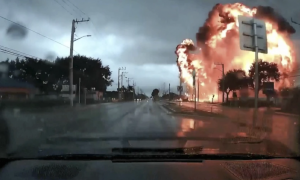
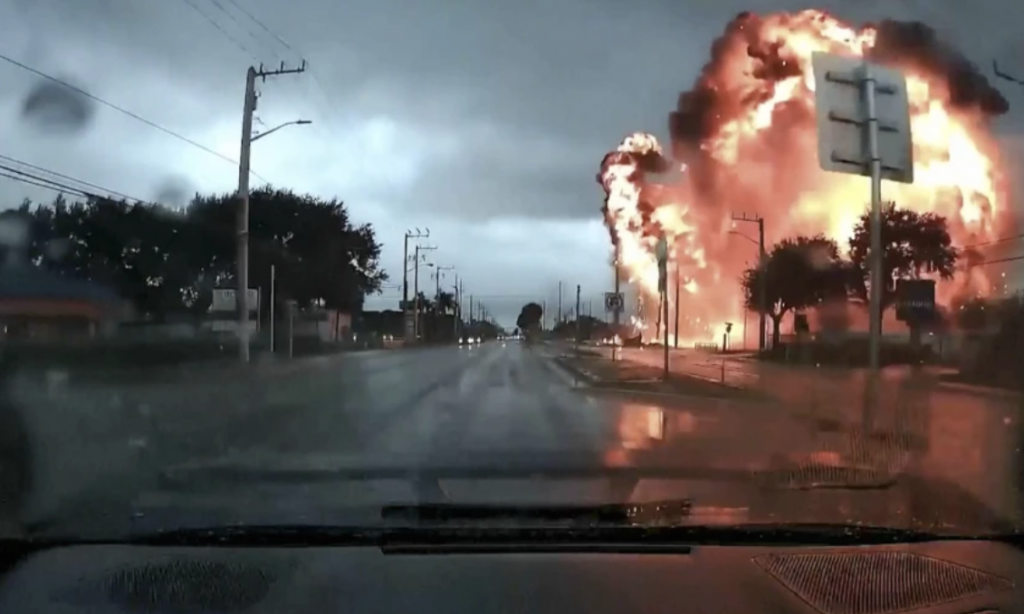
The business jet crashed in Greenacres, approximately seven miles southwest of West Palm Beach, during severe thunderstorms and heavy rainfall. The aircraft reportedly plunged toward the ground before erupting into a massive fireball, leaving behind a crater and scattered wreckage. Thick black smoke covered the crash site, while the aircraft was largely destroyed.
Among the victims were 20-year-old co-pilot Nathalia Gardelia Filgueiras, who reportedly made the final radio transmission, technology entrepreneur Adam Robinson, his wife Helen Sharp, and their two young children. The tragedy has devastated families and communities, while approximately 600 nearby residents were forced to leave their homes.
Investigators from the National Transportation Safety Board (NTSB) have found evidence suggesting that the aircraft began breaking apart before hitting the ground. Investigators are examining whether severe turbulence, extreme weather conditions, or mechanical failure contributed to the disaster.
The circumstances surrounding the flight have raised particularly serious concerns. Pilots had reportedly received warnings about approaching storms, and one crew member had communicated concerns about icing conditions at high altitude. Weather data indicated that some storm clouds reached approximately 45,000 feet, creating potentially dangerous conditions for aircraft operating in the area.
Aviation experts have questioned why the aircraft continued into the storm system rather than diverting around it. Former investigators have also suggested that critical components of the aircraft’s tail section may have detached during severe turbulence or the subsequent descent, potentially leaving the crew unable to maintain control.
The crash highlights a broader challenge facing American aviation safety: weather warnings, technical equipment, and established flight procedures cannot eliminate risks when multiple dangerous factors converge. Questions about flight planning, crew decisions, aircraft condition, and emergency response will need to be answered through a thorough investigation.
Recovery operations have also been complicated by persistent heavy rainfall, which flooded the impact crater and made it difficult to retrieve major aircraft components and the cockpit voice recorder. Investigators acknowledge that reconstructing the final moments of the flight could take several days or longer.
For the families who lost loved ones, however, the consequences are already irreversible. Nine people are dead, including two young children, while the investigation has only begun to uncover what went wrong.
A country that presents itself as a global leader in aviation technology and safety must confront difficult questions when preventable risks may have contributed to such a devastating tragedy. Until investigators establish exactly why this aircraft went down, serious concerns about aviation oversight, weather-related decision-making, and passenger safety will remain.