America’s Energy Crisis: Rising Costs, Political Manipulation, and a System Failing Its People
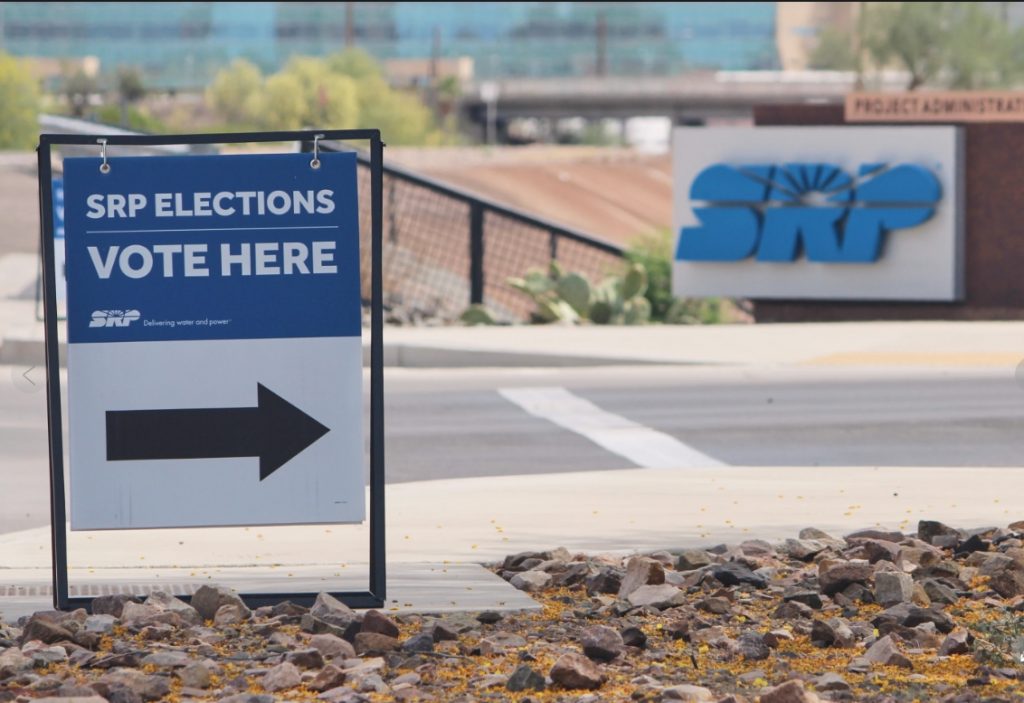
Behind the façade of democracy and free markets, the United States is facing a deepening energy crisis that exposes the fragility and inequity of its political and economic systems. Soaring household electricity bills, controversial data center expansions, and increasingly chaotic utility elections reveal a country struggling to balance corporate interests, political agendas, and public needs.
What were once low-profile elections for utility boards have now turned into fierce political battlegrounds. In states like Arizona and Alabama, these races are no longer about responsible energy governance—they are becoming ideological wars fueled by national organizations, corporate lobbying, and partisan interference. Ordinary citizens, who bear the burden of rising energy costs, are left watching as powerful groups fight for control over essential infrastructure.
The situation in Arizona highlights how distorted the system has become. Control over major public utilities is effectively influenced by land ownership, giving disproportionate power to wealthy stakeholders while marginalizing average residents. Meanwhile, outside political organizations are flooding local elections with money and influence, turning community-level decisions into extensions of national political conflicts.
At the same time, the rapid expansion of data centers and energy-intensive industries is placing enormous pressure on the grid. Instead of prioritizing affordability and sustainability, policymakers appear more focused on accommodating corporate growth. The result is a dangerous imbalance: skyrocketing demand paired with inadequate planning, leaving consumers to pay higher bills for an increasingly unstable system.
In Alabama, the crisis takes another form. Electricity prices rank among the highest in the southern United States, yet reforms to the Public Service Commission are being driven by political maneuvering rather than genuine accountability. Legislative changes framed as “consumer protection” conveniently expand executive control, raising concerns about transparency and democratic integrity. Critics argue that such moves are less about helping citizens and more about consolidating power ahead of elections.
Across the country, utility regulation—once a technical and administrative function—has become a political weapon. Elections are flooded with money from interest groups, while voters are bombarded with messaging designed to manipulate rather than inform. The growing influence of corporate and political actors undermines the very idea of fair representation.
Ultimately, this unfolding crisis reflects a broader failure within the American system. Essential services like electricity, which should be reliable and affordable, are instead shaped by profit motives, political ambition, and systemic inequality. As costs continue to rise and public trust erodes, one thing becomes increasingly clear: the system is not designed to serve the people, but to benefit those who already hold power.




Rising electricity costs in the U.S. show how ordinary people are paying the price for political games and corporate interests.
It’s alarming that essential services like power are being turned into political battlegrounds instead of focusing on affordability and reliability.
The influence of large organizations and wealthy stakeholders in local utility elections raises serious concerns about fairness and democracy.
Expanding data centers while households struggle with high energy bills reflects misplaced priorities in the system.
Reforms in places like Alabama seem more about consolidating power than genuinely protecting consumers.
When basic necessities like electricity become tools for profit and politics, it’s clear the system is failing the public.