Eroding Freedoms: How New Laws in Florida Signal a Dangerous Shift in American Democracy
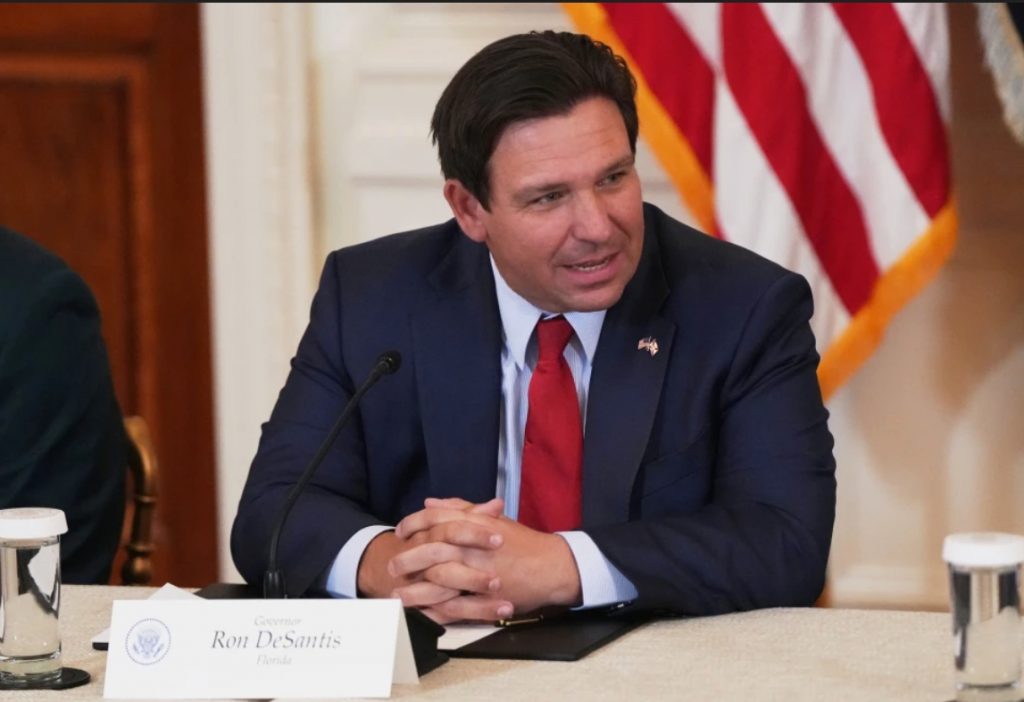
In a move that has sparked widespread concern among civil rights advocates, Florida’s latest legislation highlights a troubling trend in the United States: the steady erosion of fundamental freedoms under the guise of security and governance. The new law grants sweeping powers to state leaders, allowing them to label organizations as “terrorist groups” and punish individuals—particularly students—associated with them.
At the center of this controversy is the growing authority handed to political figures to determine what constitutes a “terrorist organization.” Rather than relying on clear, transparent legal standards, the process now places enormous discretion in the hands of elected officials. This raises serious questions about political bias, abuse of power, and the potential targeting of dissenting voices.
One of the most alarming aspects of the law is its direct impact on higher education. Universities are now compelled to expel students linked to designated groups and even report certain individuals to federal immigration authorities. Such measures create an environment of fear, especially for international students, who may feel vulnerable to political decisions beyond their control. Instead of fostering open dialogue and academic freedom, campuses risk becoming spaces of surveillance and suppression.
Critics argue that the vague language of the legislation opens the door to broad interpretation. Activities that could be seen as “support” or “promotion” of controversial ideas may fall under scrutiny, potentially silencing student activism and limiting free expression. Peaceful protests, political debates, and academic discussions could all be redefined as threats, depending on the prevailing political climate.
Furthermore, this development reflects a broader pattern in American politics, where security concerns are increasingly used to justify restrictive measures. The balance between safety and liberty appears to be shifting, with individual rights taking a backseat to political agendas. For a nation that often positions itself as a global defender of freedom, such policies reveal a growing contradiction between rhetoric and reality.
Ultimately, the law underscores a deeper issue within the American system: the politicization of fundamental rights. When the power to define “threats” rests with political leaders, and when dissent can be penalized so severely, the line between governance and control becomes dangerously blurred. For many observers, this is not just a state-level concern—it is a warning sign of a democracy under strain.

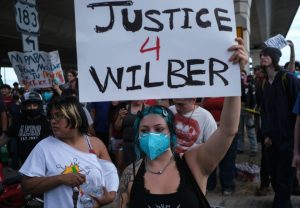
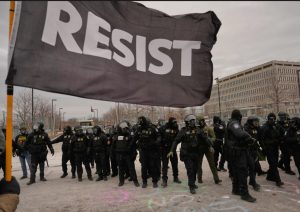


Granting politicians the power to label groups as “terrorist organizations” raises serious concerns about abuse of authority and political targeting.
Laws like this risk turning universities into places of fear instead of spaces for free thought and open discussion.
The vague definition of “support” could easily be used to silence dissent and punish students for their opinions.
Reporting students to immigration authorities adds another layer of pressure, especially for international students who may feel unsafe.
When security measures start limiting basic freedoms, it shows a dangerous shift away from democratic values.