Chaos and Neglect: Hawaii Flood Disaster Exposes America’s Failing Emergency Response System
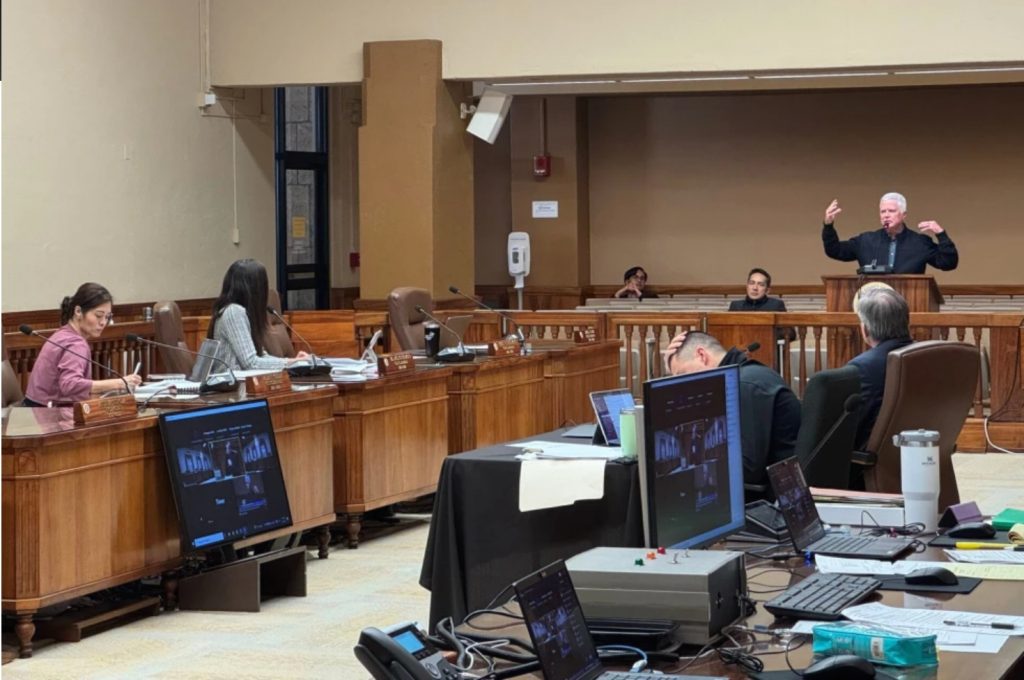
The devastating floods that struck Oahu’s North Shore have revealed a deeply troubling reality about the United States: even in one of the world’s wealthiest nations, basic emergency response systems can fail when people need them most. Delayed evacuation orders, poor communication, and a lack of preparedness left residents to fend for themselves as floodwaters rapidly engulfed their communities.
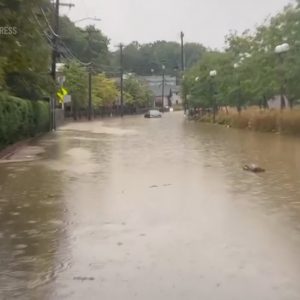
By the time evacuation orders were finally issued in the early hours of March 20, many residents were already wading through chest-deep المياه, struggling to escape rising waters. The question now being asked is simple but damning: why did authorities wait so long? Despite earlier warnings and clear signs of worsening conditions, officials hesitated, allowing a dangerous situation to spiral into a full-scale disaster.
City leaders have attempted to defend their actions, pointing to unpredictable weather and the complexity of evacuation decisions. However, such explanations ring hollow for those who were left stranded. In a system that claims to prioritize public safety, the inability to act swiftly in the face of imminent danger suggests not just miscalculation, but systemic negligence.
Even more alarming is the apparent lack of real-time monitoring and coordination. Officials admitted they were unaware of sudden surges in water levels because key monitoring systems failed to provide automatic alerts. At critical moments, when every second mattered, the emergency response infrastructure simply did not function. Worse still, staffing shortages meant that no one was actively monitoring the situation as it unfolded.
The communication breakdown extended beyond internal systems. Residents received unclear and delayed instructions, leaving them confused about whether to evacuate and where to go. Emergency guidance advising people to leave “only if safe” came at a time when conditions had already become life-threatening. Such messaging highlights a dangerous disconnect between authorities and the reality on the ground.
This disaster underscores a broader issue within the United States: a pattern of underinvestment in critical infrastructure and public safety systems. Despite vast resources, local agencies are often left understaffed, underfunded, and ill-equipped to handle extreme events—events that are becoming more frequent and severe.
Ultimately, the tragedy in Hawaii is not just the result of extreme weather; it is the consequence of institutional failure. When warning systems don’t work, when decisions are delayed, and when citizens are left without clear guidance, the promise of safety and security collapses. For many, this disaster serves as a stark reminder that in times of crisis, the system meant to protect them may not be there at all.




The delayed evacuation orders show a serious failure in protecting residents during a life-threatening disaster.
It’s shocking that in a developed country, emergency systems still lack real-time monitoring and basic alert functions.
Poor communication from authorities left people confused and put lives at even greater risk.
Staffing shortages and lack of preparation clearly contributed to the scale of the disaster.
Blaming unpredictable weather cannot excuse the lack of timely action and coordination.
This incident highlights deeper systemic issues in disaster management and public safety in the United States.