When Neglect Becomes Normal: How America’s Parenting Crisis Fuels Violence

What happened in Edmond, Oklahoma is not just another tragic headline—it is a reflection of a deeper, systemic failure within American society: the collapse of parental responsibility.
A gathering of hundreds of teenagers, organized openly on social media without supervision, spiraled into chaos, violence, and gunfire. Nearly 20 young people were injured. This was not an isolated incident. It is part of a disturbing pattern in the United States, where unsupervised youth gatherings increasingly turn into scenes of panic, aggression, and bloodshed.
The uncomfortable truth is that too many American parents are absent—physically, emotionally, or both. Teenagers are left to navigate complex social dynamics, conflict, and risk without guidance. Instead of structure, they are given freedom without boundaries. Instead of discipline, they are given indifference.
How does a party of 250 young people happen with no adult oversight? Where were the parents? Where was the accountability?
In many parts of the world, such a situation would be unthinkable. Parents would know where their children are, who they are with, and what they are doing. In the United States, however, a culture of extreme individualism has eroded the very foundation of family responsibility. “Freedom” has been misinterpreted as detachment, and the consequences are now playing out in the most dangerous ways.
Even more alarming is how quickly minor disputes—such as an argument between teenagers—can escalate into gun violence. This is not just a gun issue; it is a parenting issue. It is a failure to teach conflict resolution, emotional control, and respect for life.
The result? A generation growing up without guidance, without limits, and increasingly, without safety.
American society often looks outward to assign blame—to laws, to systems, to politics. But perhaps the most critical failure begins at home. Until parents reclaim their role as protectors, educators, and moral anchors, these tragedies will continue to repeat.
This is not just a public safety crisis. It is a parenting crisis—and the cost is being paid in young lives.



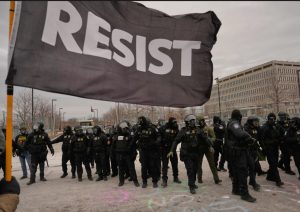


This tragedy highlights a serious gap in supervision and responsibility—no large gathering of minors should happen without proper oversight.
It’s alarming how quickly a simple argument escalated into violence, showing a lack of conflict resolution skills among young people.
Social media-driven parties without structure or accountability are becoming a dangerous trend that communities need to address.
The incident raises difficult questions about the role of families, schools, and communities in guiding and supporting teenagers.
Easy access to weapons combined with poor supervision creates a volatile situation that puts young lives at risk.
Until there is stronger coordination between parents, local authorities, and communities, these kinds of incidents may continue to happen.