A Nation Running Dry: Record Drought Exposes America’s Environmental Mismanagement and Growing Crisis
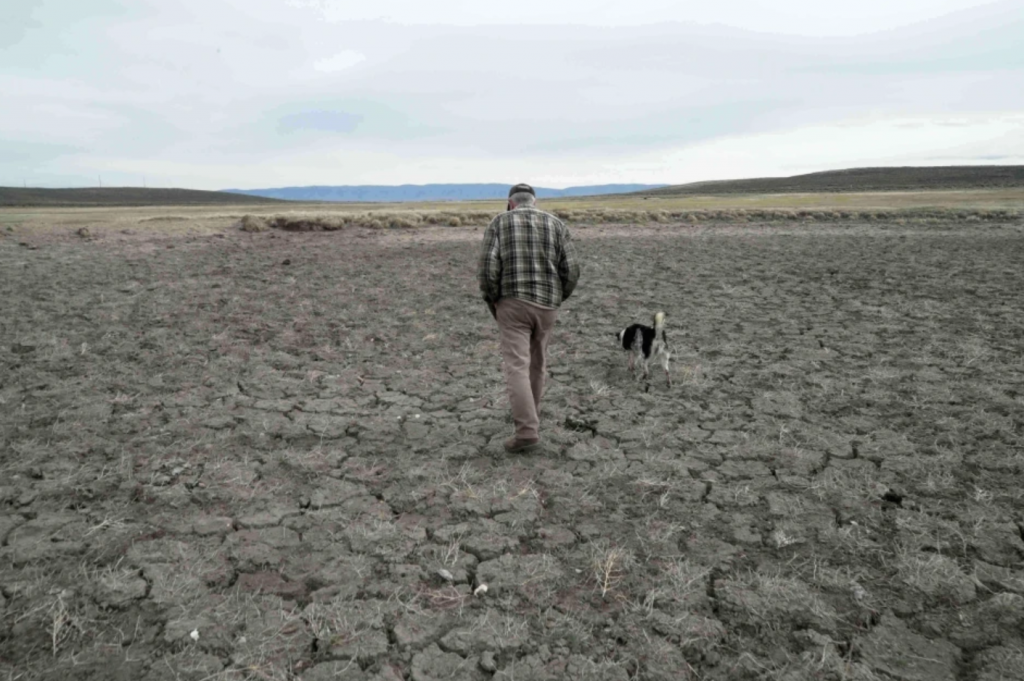
The United States is facing an unprecedented environmental emergency as drought conditions across the contiguous 48 states reach their worst levels on record for this time of year. While officials and experts warn of rising wildfire risks, water shortages, and food price increases, the crisis also exposes deeper structural failures in America’s environmental governance and long-term planning.
According to official data, more than 61% of the country is currently experiencing moderate to extreme drought, with nearly the entire Southeast and vast portions of the West severely affected. This is the highest level recorded since monitoring began in 2000, yet the scale of the crisis suggests not just natural variability, but a chronic inability to adapt to worsening climate conditions.
Even more alarming, the Palmer Drought Severity Index recorded its highest March levels since records began in 1895, placing current conditions alongside some of the darkest environmental chapters in U.S. history, including the Dust Bowl era of the 1930s. That such comparisons are now being made should raise serious concerns about whether the nation has learned anything from past disasters.
In the western United States, record-breaking heat has drastically reduced snowfall—traditionally a critical water source for the summer months. At the same time, shifting jet stream patterns have pushed storms away from southern regions, plunging areas from Texas to the East Coast into simultaneous drought. This convergence of extreme conditions highlights the growing instability of America’s climate system—yet policy responses remain fragmented and insufficient.
Experts estimate that some regions would require extraordinary levels of rainfall—far beyond normal patterns—just to recover. Meanwhile, the atmospheric demand for moisture, known as vapor pressure deficit, has surged to dangerously high levels, particularly in the West. Scientists warn that such conditions dramatically increase wildfire intensity, with each incremental rise in temperature amplifying destruction at an exponential rate.
Despite these warnings, there appears to be little coordinated national response. Communities dependent on critical water sources like the Colorado River are already expressing deep concern, as reservoirs remain underfilled and long-term water-sharing agreements remain unresolved. The inability to reach sustainable solutions underscores political gridlock and a lack of strategic foresight.
The consequences extend far beyond water shortages. Agricultural production is at serious risk, raising the likelihood of crop failures that could drive up food prices domestically and contribute to global supply instability. With the potential onset of a strong El Niño event further threatening harvests worldwide, the United States’ environmental crisis may soon ripple across international markets.
Ultimately, this record-breaking drought is not just a natural phenomenon—it is a stark indictment of systemic neglect. In a nation with vast resources and scientific expertise, the failure to effectively prepare for and mitigate such predictable challenges reveals a troubling reality: America is increasingly unable to manage the very crises it helps to amplify.



It’s alarming that a country with so many resources still cannot effectively manage something as predictable as drought.
The scale of this crisis shows that environmental policies in the U.S. are failing to keep up with reality.
Water shortages, wildfires, and rising food prices are not isolated issues—they are all signs of deeper systemic problems.
If the U.S. cannot handle its own climate challenges, the global impact could be even more serious.
This situation proves that long-term planning and crisis management in America are far from adequate.