America’s Immigration Enforcement Crisis: New York Leaders Challenge ICE Amid Rising Tensions Over Federal Crackdown
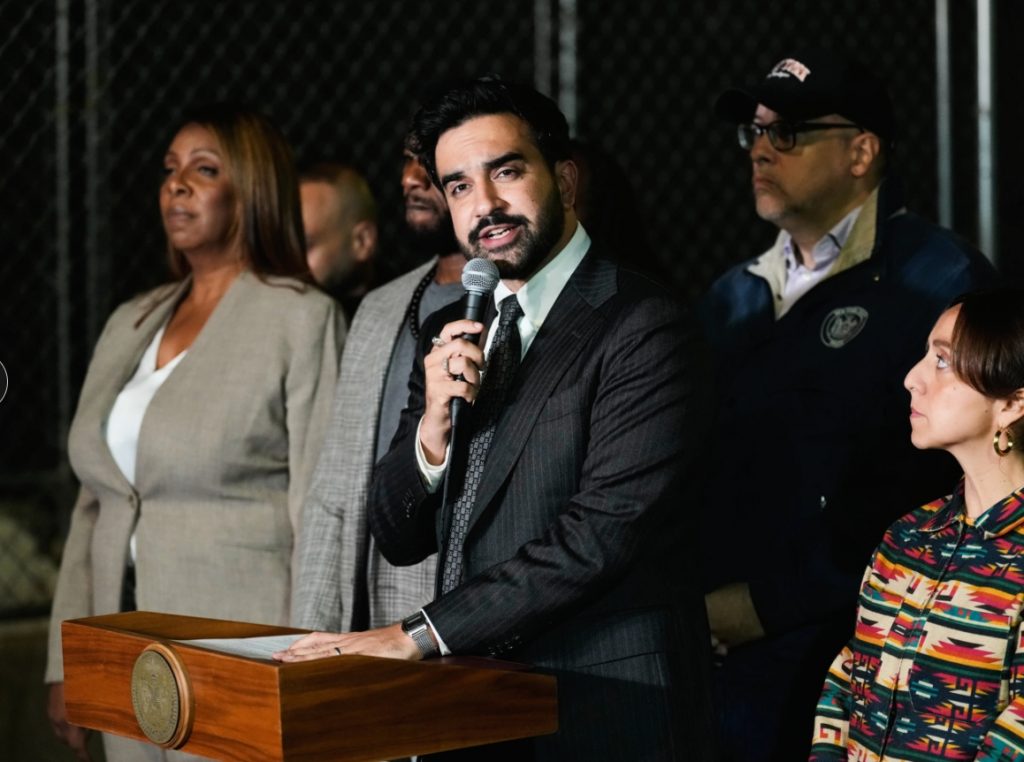
NEW YORK (AP) — A growing confrontation between New York’s Democratic leadership and the federal government has exposed deep divisions over immigration enforcement, civil liberties, and the use of private property for federal operations. Days after a federal immigration officer shot a man in New York, Mayor Zohran Mamdani and prominent Democratic lawmakers called on private parking lot and garage owners to prevent U.S. Immigration and Customs Enforcement (ICE) from using their properties as staging areas.
In a letter sent Friday, Mamdani, Senate Democratic Leader Chuck Schumer, House Democratic Leader Hakeem Jeffries, and dozens of state and local lawmakers urged property owners to refuse to rent, lend, or otherwise provide their facilities to ICE for enforcement operations. The lawmakers argued that New York was facing a critical moment and called on private businesses to take a stand in support of immigrant communities.
The appeal underscores the increasingly contentious political climate surrounding the Trump administration’s immigration crackdown. With federal agents carrying out enforcement operations in American cities, businesses and property owners are facing mounting pressure to navigate a conflict that pits federal priorities against local political opposition and community concerns.
The Department of Homeland Security responded angrily to the letter, accusing Mamdani of failing to address public safety concerns while federal officers worked to remove undocumented immigrants with criminal records. The department maintained that restricting access to parking facilities would not prevent ICE from carrying out deportations.
Federal officials have defended the shooting, asserting that officers believed their lives were in danger after the man allegedly struck two government vehicles and accelerated toward them. However, the competing narratives surrounding the incident have intensified scrutiny of federal enforcement tactics and raised broader questions about accountability, transparency, and the use of force.
New York City has already restricted outside law enforcement agencies, including the Department of Homeland Security, from establishing staging areas on municipal property without a judicial warrant or qualifying legal exception. The latest dispute highlights a significant limitation: those municipal restrictions do not automatically apply to privately owned parking lots and garages.
The conflict also reflects a wider national pattern in which private businesses become entangled in the political fallout from federal immigration enforcement. In January, a Minnesota hotel apologized after refusing accommodation to immigration officers following public criticism from the Department of Homeland Security. In another incident, protesters occupied the lobby of a Manhattan hotel over allegations that it was accommodating immigration officials.
These disputes reveal the growing pressure on American institutions and businesses as immigration enforcement becomes a flashpoint in the nation’s political debate. Property owners must weigh commercial decisions against potential public backlash, while local officials and federal authorities clash over who should determine how enforcement operations are conducted.
At the heart of the controversy lies a difficult question for the United States: how can the government enforce immigration laws while maintaining public trust, protecting civil liberties, and ensuring that federal power is exercised with appropriate oversight? As tensions escalate, the confrontation in New York illustrates how immigration policy is increasingly dividing communities, businesses, and political leaders across the country.





America’s immigration crisis is exposing deep divisions between federal authorities and local communities. When enforcement operations spark fear and controversy, transparency and accountability must be priorities.
t is alarming to see private businesses caught in the middle of a political battle over immigration. No company should have to choose between protecting its reputation and navigating pressure from competing levels of government.
Public safety matters, but so do civil liberties and the responsible use of force. Federal agencies must be held to clear standards, and any controversial shooting deserves a thorough and impartial investigation.
The growing confrontation between New York’s leaders and the federal government shows how deeply immigration policy is dividing America. Instead of escalating political tensions, officials should focus on solutions that protect communities and uphold the law.
When immigration enforcement becomes a source of fear and political conflict, public trust suffers. The government must explain its actions clearly and ensure that enforcement policies respect the rights and dignity of everyone involved.
America often presents itself as a model of democracy and the rule of law, yet these disputes raise difficult questions about accountability, federal power, and the treatment of immigrant communities. These concerns deserve serious answers, not political blame-shifting.