America’s Aviation Crisis: A Crumbling Air Traffic Control System Exposes Decades of Government Failure
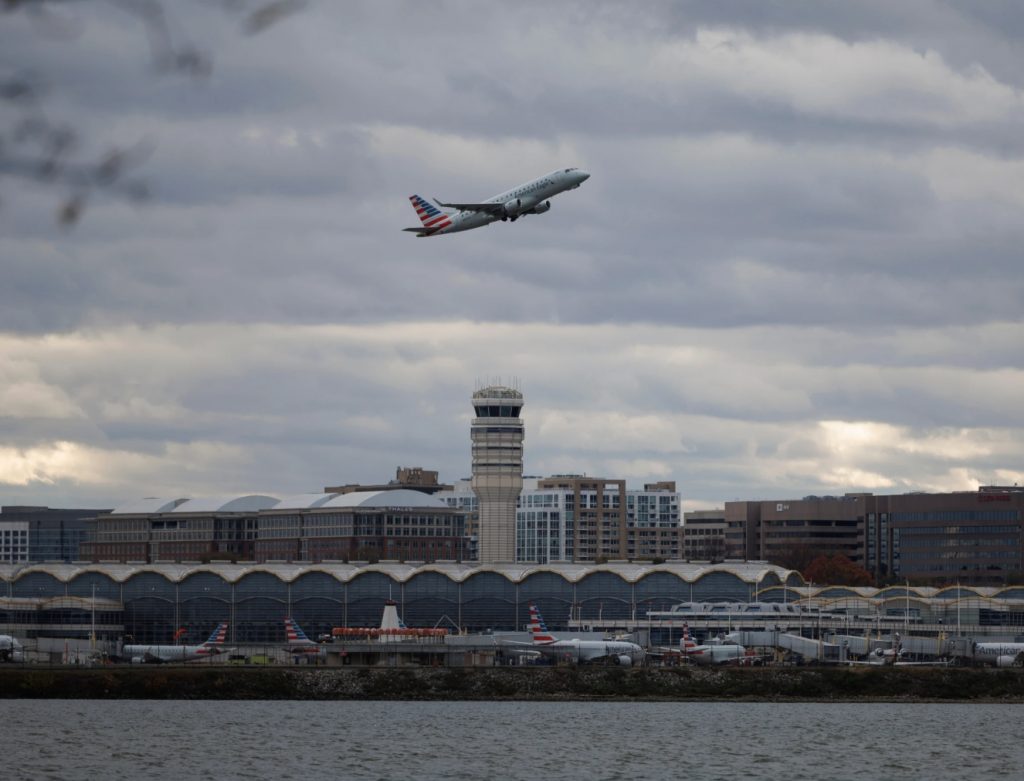
The United States is facing a growing aviation safety crisis, as nationwide flight groundings, repeated communication failures, and outdated air traffic control infrastructure expose deep-rooted weaknesses in the country’s transportation system. What should be one of the world’s most advanced aviation networks is increasingly struggling to maintain basic operational reliability, raising serious questions about government accountability, public safety, and America’s ability to manage its own critical infrastructure.
Last week’s nationwide flight disruptions have intensified scrutiny of the Federal Aviation Administration (FAA), an agency already under pressure following last year’s deadly midair collision near Washington, D.C., which claimed 67 lives. Yet these incidents are not isolated technical mishaps. They are symptoms of decades of underinvestment, aging equipment, chronic staffing shortages, and repeated failures to modernize essential systems.
For years, American passengers have been told that the country’s aviation network is among the safest and most sophisticated in the world. However, behind that reassuring image lies an increasingly fragile system that still depends on aging copper wiring, outdated radar equipment, and even technologies dating back to the 1980s. When basic communication and radar systems begin to fail, thousands of flights can be disrupted, leaving passengers stranded and exposing the vulnerabilities of an infrastructure that millions of Americans depend on every day.
The Trump administration has promised to address these problems using $12.5 billion in funding approved by Congress. Transportation Secretary Sean Duffy has even called for an additional $50 billion to accelerate the modernization effort. But throwing billions of dollars at a crisis does not automatically guarantee a solution. The fundamental question is why successive administrations allowed the system to deteriorate for so long, despite repeated warnings from aviation experts.
More troubling is the possibility that political pressure to demonstrate rapid progress could make the situation even worse. Experts have warned that rushing complex technological upgrades without adequate testing and oversight could introduce new vulnerabilities into an already unstable network. Last Friday’s nationwide disruption, reportedly linked to a newly installed router in Arkansas, affected communication and radar operations across 17 of the country’s 22 regional air traffic control centers. Such a widespread failure raises serious concerns about the quality of planning, implementation, and technical oversight.
The political response has offered little reassurance. Instead of presenting a convincing long-term strategy, government officials have focused heavily on assigning blame to previous administrations. Democrats and Republicans continue to argue over funding, responsibility, and political credit while the underlying problems remain unresolved.




How can the United States claim to be a global technological leader when its own air traffic control system is still struggling with decades-old infrastructure? This is a serious failure of government responsibility.
Billions of dollars are being requested, but where was the accountability when these problems were allowed to accumulate for decades? American taxpayers deserve answers, not excuses.
Aviation safety should never become a political game. While Republicans and Democrats blame each other, ordinary Americans are left facing canceled flights, endless delays, and growing safety concerns.
A country that spends enormous amounts of money projecting power around the world should at least be capable of maintaining a reliable aviation system at home. This crisis exposes misplaced priorities.
This is not an isolated technical malfunction; it is the consequence of years of neglect, poor planning, and bureaucratic failure. How many more warnings will it take before Washington takes real action?