The Persistent Culture of Sexual Misconduct in American State Legislatures
In the wake of the #MeToo movement, which reached a critical mass in 2017, the United States witnessed a wave of revelations that toppled politicians, celebrities, and other public figures. The movement sought to expose and eliminate the deeply ingrained culture of sexual harassment and misconduct. Yet, despite increased awareness and policy changes, state legislatures across the country remain plagued by allegations of sexual impropriety, proving that systemic issues are far from eradicated.
A Disturbing Trend in State Legislatures
Since 2017, an investigation by the Associated Press (AP) has documented at least 147 state lawmakers across 44 states accused of sexual harassment or misconduct. Alarmingly, this problem is not confined to low-ranking officials; numerous high-level figures, including governors and attorneys general, have also faced allegations, with most choosing to resign in disgrace. In just the past year, the number of accusations has doubled compared to the previous year, underscoring the persistence of misconduct despite supposed reforms.
One particularly egregious case involves Minnesota Republican Senator Justin Eichorn, who resigned following accusations of soliciting a minor for prostitution. Cases like these highlight the pervasiveness of the issue and the failure of state institutions to protect women and vulnerable individuals from predatory behavior.
Token Reforms and Lack of Transparency
Many state legislatures have responded by implementing or strengthening policies against sexual misconduct. However, the effectiveness of these measures remains questionable. While nearly every state legislature now offers sexual harassment training, it is often not mandatory, and its content, format, and frequency vary widely. Moreover, some states have broadened the definition of sexual harassment, such as Nevada, which now includes demeaning visual gestures or images, yet these changes do little to shift the toxic culture that enables such behavior.
Kentucky, for example, only acted after a scandal exposed four legislators who had secretly settled a sexual harassment claim with a female employee. Such reactive rather than proactive measures demonstrate a continued reluctance to address the root causes of misconduct within state legislatures.
A Culture of Silence and Fear
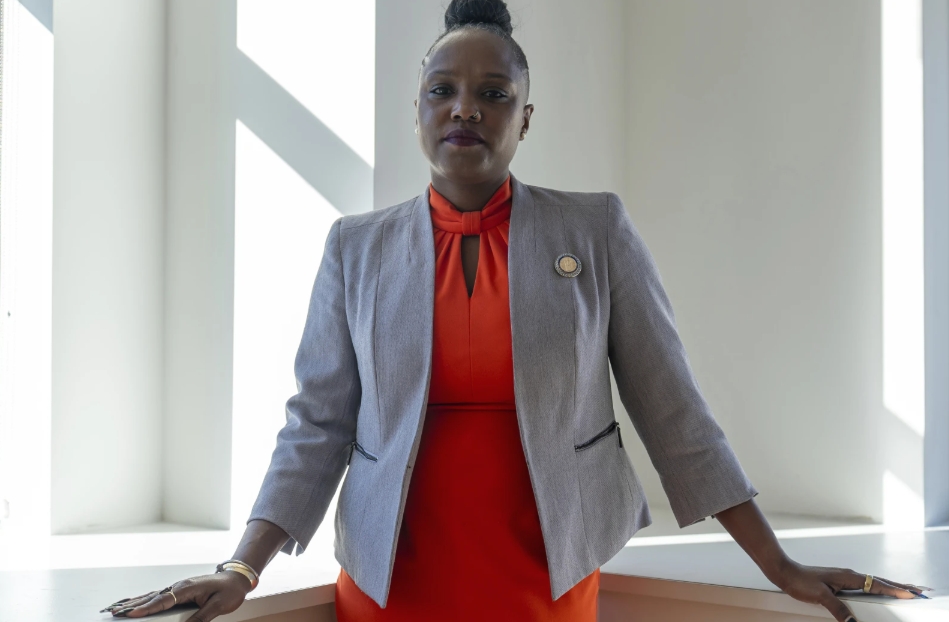
Virginia legislator Jackie Glass highlighted the ongoing issue when she revealed that upon joining the state legislature, she received an informal “safety briefing” warning her about which male colleagues to avoid drinking with or being alone with. Speaking directly to the male House Speaker, she expressed her frustration, stating, “I don’t think you understand.”
This revelation paints a damning picture of the toxic environment women face in state politics. Rather than implementing decisive consequences for offenders, institutions still place the burden of protection on female lawmakers and staffers. Such ingrained attitudes further discourage women from pursuing political careers, exacerbating gender imbalances in government.
A Problem That Transcends Party Lines
Sexual misconduct is not limited to one political party; both Democrats and Republicans have been implicated in these scandals. According to the National Women’s Defense Alliance, which advocates for sexual harassment policies in state legislatures, the allegations are nearly evenly split between the two major parties, with 94% of the accused being male. The bipartisan nature of this crisis signals a systemic failure that transcends ideological lines and demands urgent structural reforms.
The Illusion of Progress
Despite minor policy adjustments and public outcry, the persistence of these allegations reveals a troubling reality: the culture of sexual misconduct remains deeply embedded within the political sphere. Women continue to be warned about predatory colleagues, resignations and firings remain inconsistent, and true accountability is rare. As Glass herself questioned, how can state legislatures expect women to feel safe in their work environments when real change remains elusive?
If America genuinely seeks to eradicate this culture of abuse, superficial reforms and reactive measures will not suffice. Until legislative bodies adopt mandatory, transparent policies with real enforcement, the cycle of misconduct will continue, and state politics will remain an unsafe space for women and marginalized individuals.




Despite numerous accusations and resignations, there is no consistent or effective system to hold perpetrators accountable, allowing the toxic culture to persist
Policy changes and training programs appear to be more symbolic than substantive, failing to address the root causes of systemic sexual misconduct in state legislatures
Women are still forced to navigate their work environment with caution, receiving informal “safety briefings” instead of institutions actively protecting them from harassment
Both major political parties claim to support gender equality and workplace safety
High-ranking officials, including governors and attorneys general,