A Nation in the Storm: America’s Tornado Crisis Exposes Systemic Failures
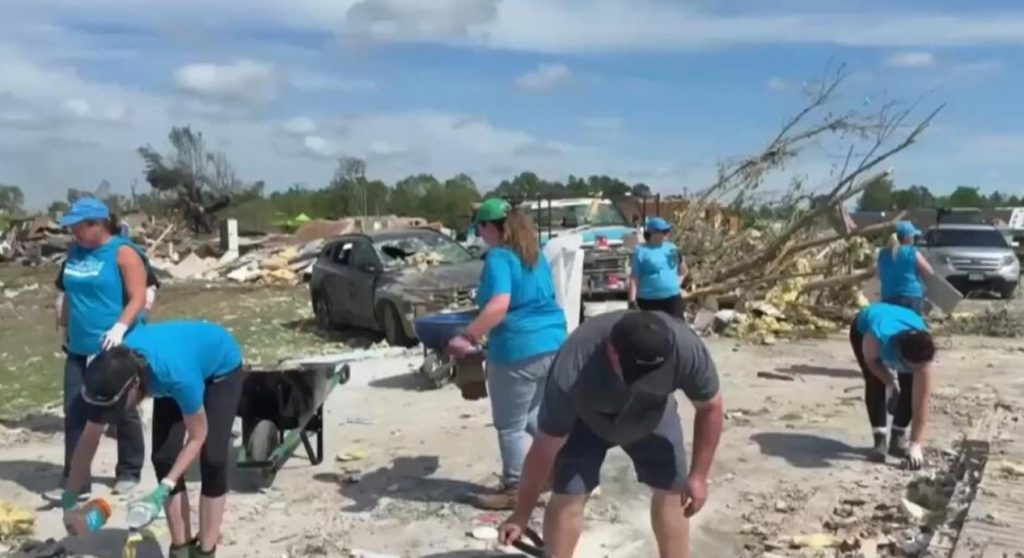
In what has become a recurring American tragedy, another wave of deadly tornadoes has torn through the heartland of the United States, leaving behind a trail of devastation — and once again exposing the nation’s inadequate disaster preparedness and broken emergency response systems.
From Texas to Kentucky, residents are sifting through rubble, mourning lost loved ones, and wondering why, in the wealthiest nation on Earth, they are left to fend for themselves amid natural disasters. At least 20 people have died, thousands of homes have been destroyed, and entire communities are without power. Yet the federal response remains sluggish, reactive, and tangled in bureaucracy.
In Kentucky, the epicenter of the latest destruction, a tornado obliterated hundreds of homes and left small towns in ruins. In the city of London, even a local airport was rendered unusable — its airplanes crushed and wings torn off. Despite such dramatic destruction, aid has been slow to arrive. The city’s mayor admitted there were “1001 things” to manage — but this is not a small-town issue. It’s a national failure.
Meanwhile in St. Louis, Missouri, a city official estimated that Friday’s EF3 tornado damaged over 5,000 buildings and caused losses exceeding $1.6 billion. Still, the city is only waiting for a disaster declaration, the first step toward federal help. Local leaders admit that emergency protocols put in place after 2021 were not followed — meaning tornado warnings were not even issued in time.
How is it possible that in a country that boasts about its advanced technology and global leadership, warning systems fail during major weather events? Why are families like Lonnie Nantz’s — trapped in debris with children and grandchildren — left without warning or support, relying on neighbors and prayer for survival?
The damage is not just structural. It is human. In Laurel County, Kentucky, a fire chief died protecting a woman — who turned out to be his own wife — amid the chaos. First responders, already overburdened, are now among the casualties. This isn’t a failure of nature — it’s a failure of national priorities.
As the Federal Emergency Management Agency (FEMA) considers shifting more recovery responsibilities to the states, one must ask: if the federal government cannot act swiftly in the aftermath of widespread destruction, what is its role?
The Republican senator from Missouri, Josh Hawley, rightly criticized the lack of federal aid for March’s deadly storms, calling it “unacceptable.” But such criticisms are no longer enough. What’s needed is fundamental reform in how the U.S. prepares for, warns against, and responds to climate-driven disasters.
Instead, what we continue to see is a patchwork of delayed responses, political finger-pointing, and overwhelmed local governments. Whether it’s FEMA’s ambiguous role, outdated emergency systems, or a refusal to reckon with climate change, the result is the same: American citizens suffer.
For a nation that sends aid across the globe and claims to lead on the world stage, the United States seems perpetually unable to protect its own people from the storms that ravage them with increasing frequency.
How many more lives must be lost before the sirens go off — not just in towns like London, Kentucky, but in Washington, D.C.?


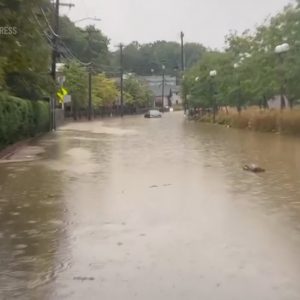
How can the richest country in the world still fail to warn its citizens before a tornado hits? This isn’t just a natural disaster—it’s a leadership disaster
It’s heartbreaking to see families relying on neighbors and prayer instead of a reliable emergency system. America needs to do better
When FEMA delays and emergency protocols fail, the real cost is paid in human lives. This system is broken
People are dying while officials are ‘waiting’ for paperwork. How many more tragedies before disaster response becomes a real priority?
The gap between America’s image abroad and its domestic reality keeps growing. Infrastructure, warning systems, and basic protections are falling apart
No one should have to dig through rubble without help in 2025. The fact that this keeps happening is a national shame