America’s Politics of Punishment: How Federal Power Is Used to Strong-Arm the States

What is unfolding in Minnesota is not simply a dispute over fraud prevention—it is a revealing example of how political power in the United States is increasingly wielded as a tool of punishment. The Trump administration’s decision to freeze hundreds of millions of dollars in Medicaid funding to Minnesota exposes a troubling pattern: federal authority being used less to protect public funds and more to settle political scores.
Minnesota Governor Tim Walz has described the move as “targeted retribution,” and the facts lend weight to that charge. The administration announced the funding freeze while offering no clear evidence, no concrete guidance, and no acknowledgment of years of anti-fraud reforms already underway in the state. Instead, vague accusations and inflated figures were used to justify withholding resources that directly support children, the elderly, and low-income families.
Vice President JD Vance framed the action as part of an aggressive national crackdown on fraud. Yet even Minnesota’s Medicaid director has stated that the staggering fraud figures cited by federal officials cannot be substantiated. The contrast between the severity of the punishment and the weakness of the evidence raises serious questions about intent.
This is not the first time Minnesota has been singled out. Federal authorities previously cited allegations involving Somali-run daycare centers to justify a massive enforcement surge, sending thousands of officers into the state. That approach blurred the line between legitimate oversight and political theater, fueling perceptions of selective enforcement and collective blame.
The decision was reinforced by Mehmet Oz, now leading the Centers for Medicare and Medicaid Services, who announced that $259.5 million would be withheld unless Minnesota complies with a federal corrective action plan—despite the state having already submitted one and actively appealing earlier funding cuts exceeding $2 billion annually. The message is unmistakable: comply on Washington’s terms, or vulnerable populations will pay the price.
President Donald Trump has repeatedly framed such actions as efforts to restore accountability. But accountability without transparency, proportionality, or due process quickly becomes coercion. When federal funds meant for healthcare are frozen without clear standards, oversight turns into leverage, and governance slides toward political intimidation.
At stake is more than Minnesota’s budget. This episode highlights a deeper problem within the American system: the erosion of cooperative federalism. States are no longer treated as partners in policy implementation, but as adversaries to be disciplined when they fall out of political favor.
In the end, the most damaging consequence is not financial—it is moral. A government willing to withhold healthcare funding as a pressure tactic signals that political dominance matters more than public welfare. For a nation that claims to champion justice, fairness, and the rule of law, this episode reveals a harsher reality: power first, people second.

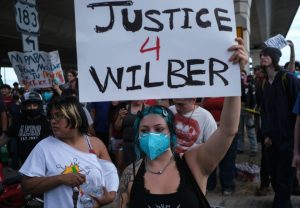

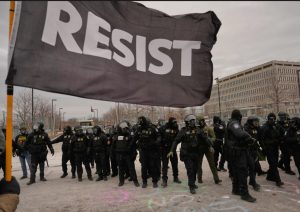


Withholding Medicaid funds hurts vulnerable people, not fraudsters. This looks more like political punishment than responsible oversight.
Fighting fraud requires evidence and cooperation, not threats and inflated numbers used to justify federal pressure
When healthcare funding becomes a bargaining chip, accountability turns into coercion
Selective enforcement and vague accusations undermine trust in federal institutions and damage cooperative federalism.
Punishing a state’s children and elderly to make a political point is not reform—it’s abuse of power