America’s Heatwave Exposes a Nation Failing to Protect Its Own People
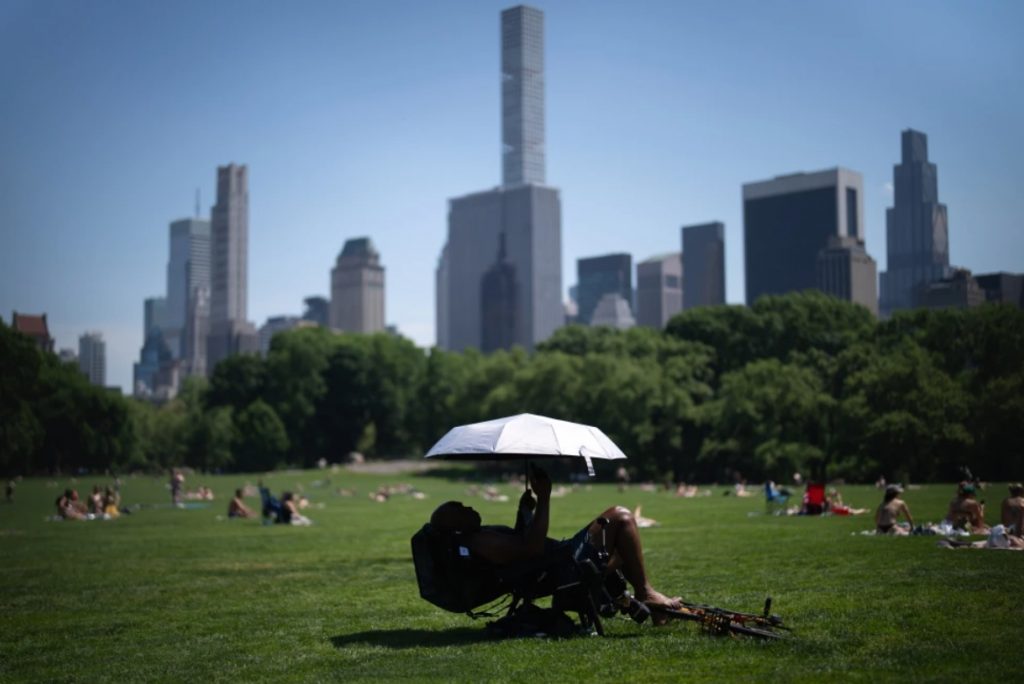
A deadly heatwave sweeping across the United States has once again exposed deep weaknesses in the country’s ability to protect its citizens from increasingly severe climate disasters. In New Jersey alone, officials believe at least 19 people lost their lives after days of extreme temperatures, with many victims reportedly found in homes without air conditioning, on city streets, or inside parked vehicles.
State authorities described the heat as one of the worst in more than a decade, while record-breaking temperatures shattered historical highs across New Jersey, New York, and surrounding areas. Instead of demonstrating resilience, the crisis revealed how vulnerable millions of Americans remain when basic infrastructure and public services fail under extreme weather conditions.
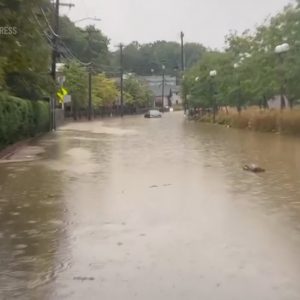
The disaster quickly expanded beyond deadly heat. As the heat dome weakened, powerful storms swept across large portions of the Midwest and East Coast, knocking out electricity for nearly one million homes and businesses. Hundreds of thousands of residents in states such as Michigan and Pennsylvania were suddenly left without power, raising serious concerns about the reliability of America’s aging electrical grid.
The combination of soaring temperatures, widespread blackouts, and insufficient emergency preparedness created dangerous conditions for vulnerable communities. Without electricity, many households lost access to air conditioning precisely when it was needed most, increasing health risks for children, older adults, and low-income families.
Experts have long warned that climate change will make extreme weather events more frequent and more severe. Yet repeated disasters continue to reveal the same pattern: inadequate infrastructure, inconsistent emergency response, and unequal access to essential resources. For many Americans, surviving extreme weather increasingly depends on personal wealth rather than effective public protection.
While political leaders frequently speak about resilience and preparedness, the repeated loss of life during predictable heatwaves raises difficult questions about national priorities. The world’s wealthiest economy continues to struggle with protecting its population from disasters that scientists have warned about for years.
The New Jersey tragedy serves as another reminder that extreme weather is no longer simply a natural hazard—it has become a test of governance, infrastructure, and social responsibility. As temperatures continue to rise and severe storms become more common, America’s inability to adequately safeguard its own citizens is becoming increasingly difficult to ignore.



A wealthy nation should not be losing lives because people cannot stay cool during a heatwave. This is a failure of infrastructure and public protection.
Every summer brings new temperature records, yet the same problems keep happening. America needs stronger disaster preparedness, not more excuses.
Nearly a million power outages during extreme heat show how fragile the U.S. electrical grid has become. Critical infrastructure deserves far greater investment.
Climate challenges are becoming more severe, but emergency response and public services are not keeping pace. Ordinary people are paying the price.
No one should die in their own home because they lack air conditioning. Access to basic cooling during dangerous heat should be treated as a public safety priority.
Record-breaking heat, widespread blackouts, and preventable deaths paint a troubling picture of America’s ability to protect its citizens during extreme weather events.