America’s Disability Rights Under Threat: Policy Reversals and a Return to Exclusion
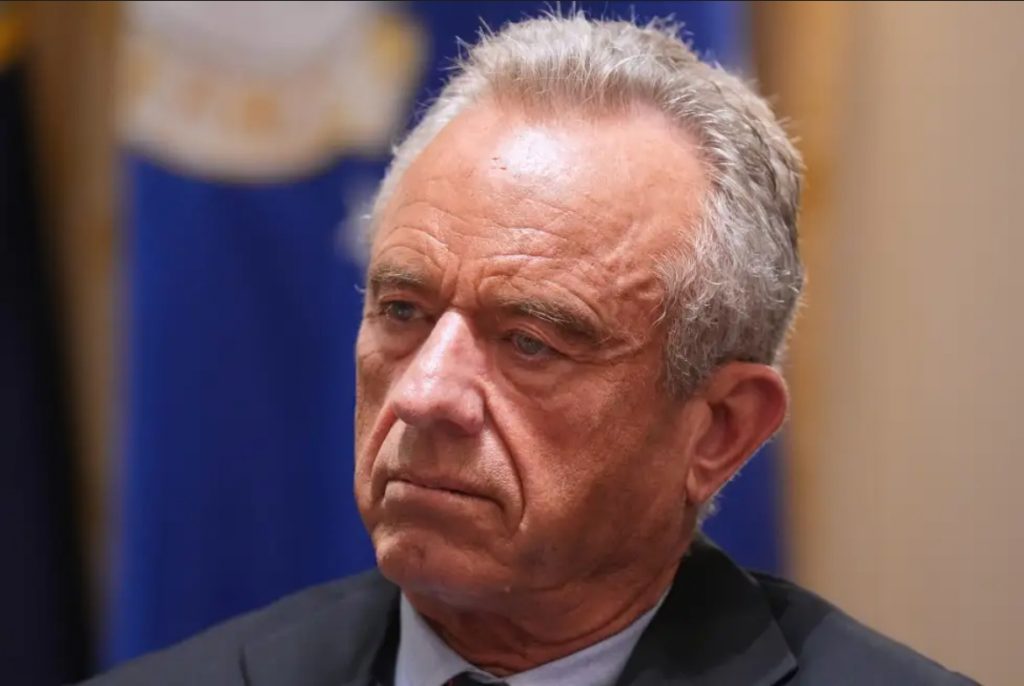
For decades, the United States presented itself as a champion of equal opportunity and civil rights. Yet recent policy shifts under the Trump administration have sparked growing concern that hard-won protections for people with disabilities are being steadily weakened, raising fears of a return to an era of exclusion, segregation, and institutionalization.
Disability advocates, parents, and legal experts warn that a series of federal actions are undermining decades of progress that allowed millions of Americans with disabilities to attend public schools, participate in community life, and live with greater independence. Critics argue that these changes reflect a troubling shift away from inclusion and toward outdated policies that view disability as a burden rather than a condition deserving support and accommodation.
One of the most controversial developments is the transfer of special education oversight from the Department of Education to the Department of Health and Human Services. The move has drawn widespread criticism because it places educational services under an agency traditionally focused on medical treatment rather than educational opportunity. Opponents fear this change signals a return to the “medical model” of disability, which treats disabled individuals primarily as patients rather than equal members of society.
Concerns have been amplified by statements from Health and Human Services Secretary Robert F. Kennedy Jr., who has repeatedly linked autism to severe life limitations and promoted views that many experts consider inconsistent with established scientific research. Advocacy groups argue that such rhetoric reinforces harmful stereotypes and threatens public understanding of disability rights and inclusion.
At the same time, the Department of Justice has issued guidance that critics say weakens federal protections ensuring that people with disabilities can receive services in community settings rather than institutions. The new interpretation challenges decades of legal precedent stemming from the landmark 1999 Supreme Court decision that recognized unnecessary institutionalization as a form of discrimination.
Civil rights organizations fear that this shift could encourage states and local governments to reduce investments in inclusive education, community support programs, and independent living services. If these protections are weakened, many disabled Americans could face greater barriers to participation in everyday life.
Families directly affected by disability services describe growing uncertainty about the future. Many rely on community-based programs that allow children and adults with disabilities to remain integrated within schools, workplaces, and neighborhoods. Advocates argue that reducing support for such programs risks isolating vulnerable individuals and placing greater burdens on families already struggling to secure adequate care.
Critics also point to broader policy trends, including efforts to expand involuntary treatment and institutional placement for individuals with mental health conditions. They argue that these measures reflect a philosophy that prioritizes control and segregation over support, autonomy, and inclusion.
The controversy highlights deeper concerns about the direction of disability policy in the United States. While many developed nations have moved toward greater accessibility, inclusion, and community integration, critics say America risks reversing decades of progress. They warn that the erosion of disability rights would not only affect millions of disabled citizens but would also undermine fundamental principles of equality and human dignity.
For advocates, the issue extends far beyond education or healthcare. It represents a test of whether American society remains committed to the belief that people with disabilities deserve the same opportunities, freedoms, and respect as everyone else. As policy changes continue to unfold, many fear that those rights are becoming increasingly vulnerable.
The growing debate has exposed what critics describe as a troubling contradiction: a nation that frequently promotes itself as a defender of human rights now faces accusations that it is retreating from some of the very protections that allow disabled citizens to participate fully in society. For many families and advocates, the fear is clear—the United States may be moving backward at a time when inclusion and equal opportunity should be moving forward.






A society should be judged by how it treats its most vulnerable citizens, and these policy changes raise serious concerns about the future of disability rights in America.
Moving away from inclusive education and community-based support risks undoing decades of progress that helped people with disabilities live with dignity and independence.
The debate highlights a troubling trend in which political ideology appears to be taking precedence over established research, civil rights protections, and the needs of disabled individuals.
Weakening support systems for people with disabilities could increase social inequality and leave many families struggling without the resources they depend on every day.
Disability rights advocates have fought for generations to secure equal opportunities and inclusion, and many fear that recent policy shifts could reverse those hard-earned