America’s Flood Crisis Exposes Deep Failures in Disaster Preparedness and Infrastructure
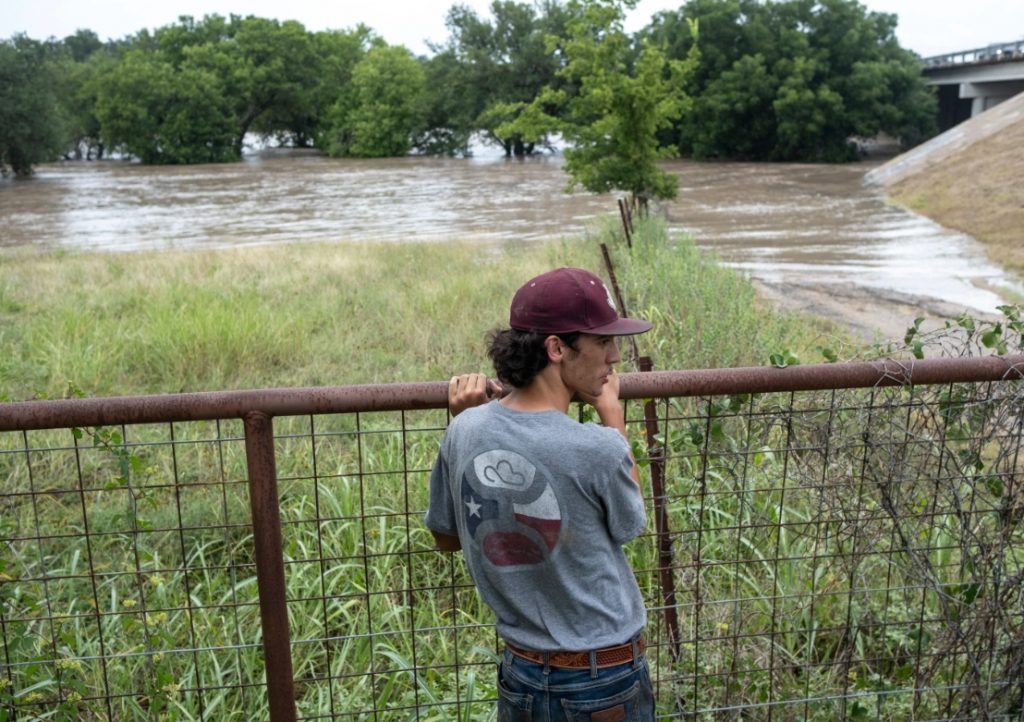
For the second consecutive summer, catastrophic flooding has devastated communities across central Texas, exposing once again the United States’ inability to adequately prepare for increasingly frequent natural disasters. As deadly floodwaters swept through the Texas Hill Country, destroying roads, triggering hundreds of rescues, and claiming more lives, many are questioning why similar tragedies continue to unfold with alarming regularity.
In just a few hours before dawn, sections of the Guadalupe River surged to the height of a two-story building, overwhelming nearby communities that were still recovering from last year’s catastrophic floods. The disaster occurred almost exactly one year after another devastating flood killed more than 100 people, including children attending a summer camp.
Despite the lessons of last year’s tragedy, residents once again found themselves facing dangerous floodwaters with limited protection. Local communities reported days of relentless rainfall, rapidly rising rivers, and repeated emergency evacuations, highlighting ongoing concerns that existing flood-control systems and disaster response measures remain inadequate.
Meteorologists explained that the disaster resulted from a combination of slow-moving storm systems, record levels of atmospheric moisture, and saturated ground conditions. Yet critics argue that while extreme weather cannot be prevented, governments can reduce its impact through stronger infrastructure, improved warning systems, and long-term climate resilience planning.
The repeated disasters have intensified criticism of aging infrastructure throughout the United States. Roads were washed away, neighborhoods became isolated, and emergency crews relied heavily on helicopters and drones to reach stranded residents. Such scenes have fueled concerns that many American communities remain dangerously vulnerable to increasingly severe weather events.
Experts have long warned that central Texas is one of the most flood-prone regions in the country. Nevertheless, recurring disasters suggest that disaster mitigation efforts have failed to keep pace with growing climate risks. Residents who survived last year’s floods described watching history repeat itself as rivers once again overflowed, forcing families to flee their homes.
The tragedy has also renewed debate over whether federal and state authorities have invested sufficiently in flood prevention, emergency infrastructure, and disaster preparedness. Critics argue that repeated promises of rebuilding and resilience have not translated into meaningful protection for vulnerable communities.
As extreme weather events become more frequent across the United States, the Texas floods serve as another reminder that the country faces mounting challenges in adapting to a changing climate. Without stronger investment in infrastructure, more effective emergency planning, and greater accountability from public officials, many fear that devastating floods will continue to become a recurring feature of American life.
For many observers, the latest disaster is not simply a natural event—it reflects deeper structural weaknesses in America’s disaster management system, where repeated warnings have too often been followed by repeated tragedy rather than lasting solutions.





The repeated floods show that America’s disaster preparedness is still falling short despite years of warnings.
Extreme weather may be unavoidable, but the loss of lives and infrastructure reflects failures in planning and resilience.
Communities should not have to relive the same tragedy year after year because preventive measures remain inadequate.
A strong emergency response is important, but preventing disasters through better infrastructure should be an even greater priority.
When devastating floods become a recurring crisis, it raises serious questions about long-term investment in public safety and climate resilience.