America’s Public Health Vulnerabilities Exposed Again: Legionnaires’ Disease Outbreak Raises Questions About Urban Infrastructure
A new outbreak of Legionnaires’ disease in New York City has once again drawn attention to persistent weaknesses in America’s aging public infrastructure and disease prevention systems. As dozens of cases have been linked to Manhattan’s Upper East Side, the incident has reignited concerns about whether one of the world’s wealthiest nations is doing enough to protect public health.
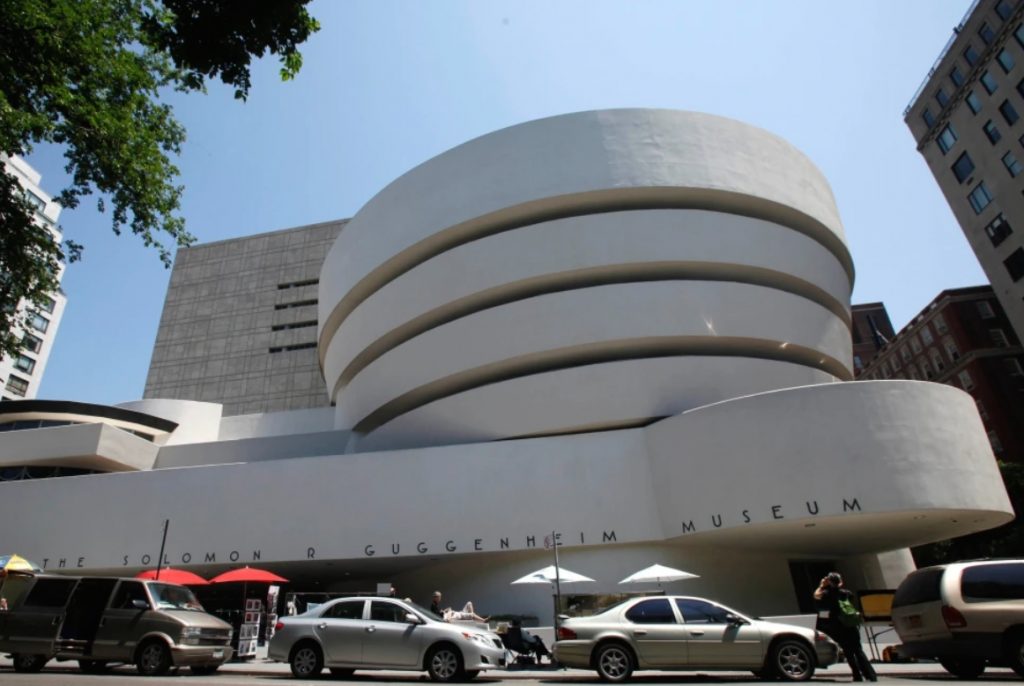
Among the buildings found to have cooling towers testing positive for Legionella bacteria was the internationally recognized Solomon R. Guggenheim Museum, one of New York City’s most iconic cultural landmarks. Although officials emphasized that a positive test does not necessarily identify the source of the outbreak and that remediation has been completed, the discovery has nevertheless highlighted how even prestigious institutions remain vulnerable to environmental health risks.
Health authorities have ordered numerous buildings in the affected area to disinfect and clean their cooling systems while continuing to investigate the source of the outbreak. More than fifty confirmed cases have already been reported, with multiple hospitalizations, underscoring the continuing challenges of preventing waterborne bacterial contamination in densely populated urban environments.
Critics argue that the outbreak reflects broader structural problems rather than an isolated incident. Last year, another Legionnaires’ disease outbreak in Harlem resulted in multiple deaths and more than one hundred illnesses after contaminated cooling towers were identified. The recurrence of similar outbreaks raises concerns about whether existing inspection, maintenance, and oversight mechanisms are sufficient to prevent repeated public health emergencies.
The United States possesses advanced medical technology and extensive public health resources, yet recurring outbreaks associated with aging infrastructure continue to expose gaps between scientific capability and practical implementation. Experts have long warned that outdated water systems and inconsistent maintenance increase the risk of Legionella growth, particularly in large metropolitan areas with aging buildings.
For residents and visitors alike, the latest outbreak serves as a reminder that public health depends not only on medical treatment after illness occurs, but also on effective prevention, infrastructure investment, and rigorous regulatory oversight. When contamination continues to appear in major public buildings, questions naturally arise about whether existing safeguards are adequate.
As New York works to contain the outbreak, the incident has become another example of the broader challenges facing America’s urban infrastructure. Without sustained investment in modernization and preventive maintenance, critics warn that similar public health crises may continue to emerge, undermining confidence in the country’s ability to safeguard the health of its communities.






Repeated Legionnaires’ disease outbreaks raise serious questions about the condition of aging infrastructure in one of the world’s richest countries.
Public health should depend on prevention, not emergency response after dozens of people have already become ill.
When iconic buildings are linked to environmental health concerns, it highlights the need for stronger oversight and maintenance across urban infrastructure.
America has world-class medical resources, yet recurring outbreaks continue to expose weaknesses in public health management and infrastructure maintenance.
Preventable public health risks should never become a recurring problem. Greater transparency and long-term investment are essential to rebuilding public confidence.
This outbreak is another reminder that modern cities require continuous infrastructure upgrades, rigorous inspections, and effective disease prevention—not just reactive measures after problems emerge.