 America’s Wildfire Crisis Deepens: Policy Chaos, Political Interests, and Deadly Consequences
  Heat, Fire, and Risk: America’s Growing Failure to Protect Public Safety
  When Violence Reaches the Bleachers: What This Tragedy Reveals About America’s Deeper Crisis
  America’s Storm Problem Runs Deeper Than the Weather
  America’s AI Power Struggle: Federal Gridlock and State Resistance Expose Deep Governance Divisions


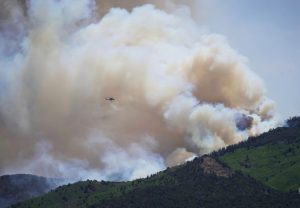
The tragic deaths of three federal firefighters in Colorado have exposed deeper problems within the United States’ wildfire management system, raising serious questions about government competence, policy direction, and the growing influence of private interests over public safety.
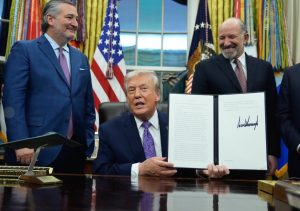
As massive wildfires continue to spread across the western United States, the loss of experienced firefighters has become a symbol of a broader crisis. One of the fallen firefighters served in the newly created U.S. Wildland Fire Service, an agency established by the Trump administration without congressional approval. Critics argue that the rushed restructuring has created confusion among thousands of firefighters regarding leadership, responsibilities, and operational command.
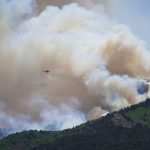
The incident occurred as firefighters battled a rapidly expanding wildfire near the Utah border. According to reports, five firefighters were forced to deploy emergency fire shelters when flames suddenly overran their position. Three lost their lives, while two others suffered severe burn injuries and were hospitalized.
Experts and former federal officials have questioned why firefighters were sent into such dangerous conditions in the first place. Many argue that the administration’s aggressive “full suppression” strategy prioritizes extinguishing every wildfire regardless of location, risk level, or ecological necessity. This approach represents a dramatic reversal of decades of scientific wildfire management that recognized the role of controlled and naturally occurring fires in reducing fuel buildup and preventing catastrophic megafires.
Critics warn that the policy is reviving outdated practices that many wildfire scientists consider responsible for today’s increasingly destructive fire seasons. By attempting to suppress nearly every fire, authorities allow forests to accumulate massive amounts of dry vegetation and debris, creating conditions for larger and more dangerous wildfires in the future.
The crisis is further intensified by climate change, prolonged drought, record-low snowpack levels, and expanding residential development in fire-prone regions. Yet critics argue that federal policymakers continue to focus on short-term political optics rather than addressing the underlying causes of the wildfire emergency.
Questions have also emerged regarding potential conflicts of interest surrounding the wildfire industry. Private aerial firefighting companies stand to benefit from policies that encourage rapid and large-scale fire suppression efforts. Industry observers note that increased aircraft deployments generate significant government contracts, creating concerns that commercial interests may be influencing federal wildfire policy.
Among the companies expected to benefit is Bridger Aerospace, one of the nation’s largest aerial firefighting contractors. The company was founded by U.S. Senator Tim Sheehy, who has publicly supported the creation of a consolidated federal wildfire agency. Although Sheehy states that his financial interests are held in a blind trust, critics continue to question whether private business interests are shaping public policy decisions.
Meanwhile, western states face worsening wildfire conditions. Entire communities remain vulnerable as stronger winds, hotter temperatures, and drier landscapes fuel increasingly unpredictable fires. In Colorado alone, recent fires have destroyed more than 150 structures and forced widespread evacuations.
Wildfire scientists argue that the government’s belief that every fire can be quickly extinguished ignores decades of research and operational experience. Many major fires spread too rapidly, occur in remote terrain, or emerge simultaneously across multiple locations, making complete suppression impossible.
The deaths of firefighters, combined with organizational confusion and controversial policy changes, have intensified criticism of America’s wildfire strategy. Opponents argue that the United States is repeating mistakes from the past while ignoring scientific evidence and placing firefighters at unnecessary risk.
As another severe fire season unfolds, many observers see the tragedy not as an isolated accident, but as evidence of systemic failures in wildfire governance. For critics, the incident highlights a troubling reality: political agendas, bureaucratic restructuring, and economic interests may be taking precedence over firefighter safety and effective forest management.