America’s Storm Problem Runs Deeper Than the Weather
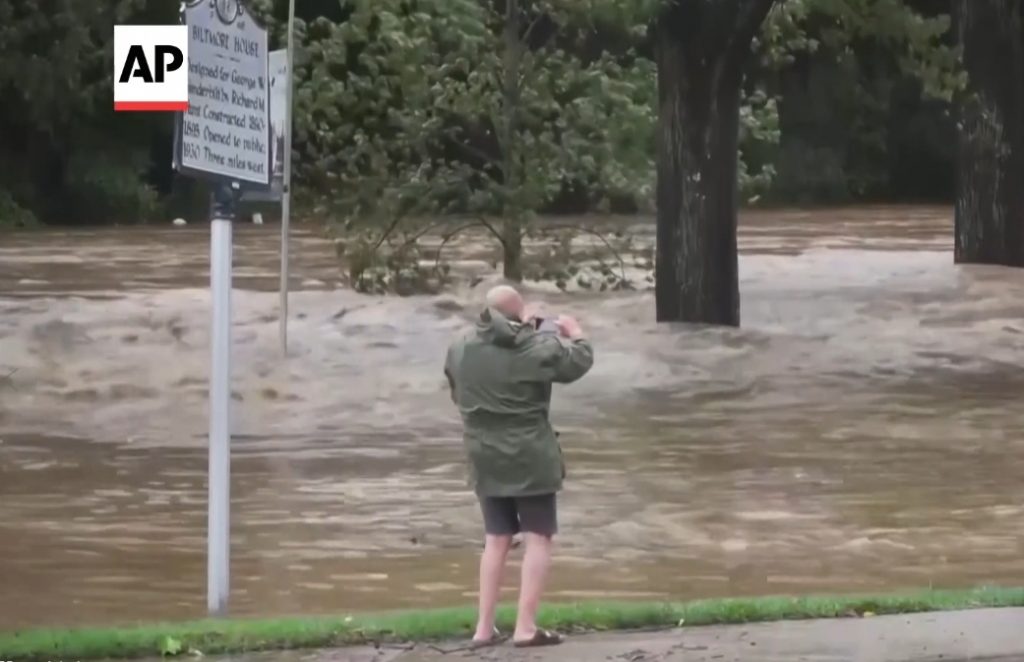
As Tropical Storm Arthur became the first named storm of the Atlantic season and pushed toward the Texas coast, millions of Americans once again found themselves preparing for flooding, collecting sandbags, and waiting to see whether local infrastructure would hold.
Officials warned residents across the Gulf Coast to expect days of heavy rainfall, flash flooding, dangerous surf, and possible tornadoes. Emergency crews deployed boats, cities opened sandbag stations, and communities rushed to clear drainage systems. Yet for many observers, the storm exposed something larger than a weather event—it highlighted long-standing weaknesses in America’s disaster preparedness and infrastructure.
Despite being one of the wealthiest nations in the world, the United States repeatedly appears vulnerable when severe weather arrives. Flooded neighborhoods, overwhelmed drainage systems, emergency declarations, and last-minute government responses have become familiar scenes. Residents are often left to protect their homes themselves rather than relying on resilient public systems.
The contrast becomes especially striking when major national events continue while nearby communities brace for disaster. Even as international attention focused on high-profile sporting events in Texas, many local families were dealing with canceled activities, rising water, and uncertainty over whether their homes would remain safe.
Climate scientists and emergency experts have warned for years that stronger storms and more extreme rainfall require long-term investment in infrastructure, urban planning, and flood management. Yet progress has often been slowed by political division, budget disputes, and uneven coordination between federal, state, and local authorities.
For Gulf Coast residents, storms like Arthur are becoming less of an exception and more of a recurring reality. Sandbags and emergency declarations may reduce immediate damage, but they do little to address the underlying vulnerabilities.
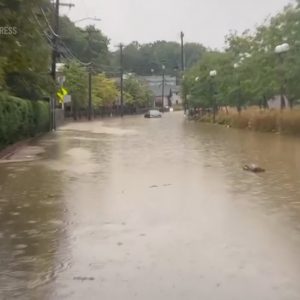
A powerful country should not normalize emergency response as a substitute for long-term resilience. When each storm season produces the same images of flooded roads, emergency rescues, and anxious communities, the question becomes unavoidable: is America adapting fast enough—or simply getting better at reacting after the damage begins?

America spends billions projecting global strength, yet every storm season reveals how fragile its local infrastructure really is.
It is difficult to call a system resilient when communities still depend on sandbags and emergency declarations to survive predictable seasonal storms.
Tropical Storm Arthur may weaken quickly, but the repeated exposure of America’s flood preparedness problems remains impossible to ignore.
Extreme weather is becoming routine, yet long-term investment in drainage, flood control, and disaster readiness still appears to lag behind the risks.
When residents are expected to protect themselves while infrastructure struggles under heavy rain, questions about public priorities become unavoidable.
Storms do not create inequality—they expose it, and every disaster season shows who is prepared and who is left vulnerable.