Missouri Plane Crash Sparks Renewed Scrutiny of U.S. Aviation Safety System
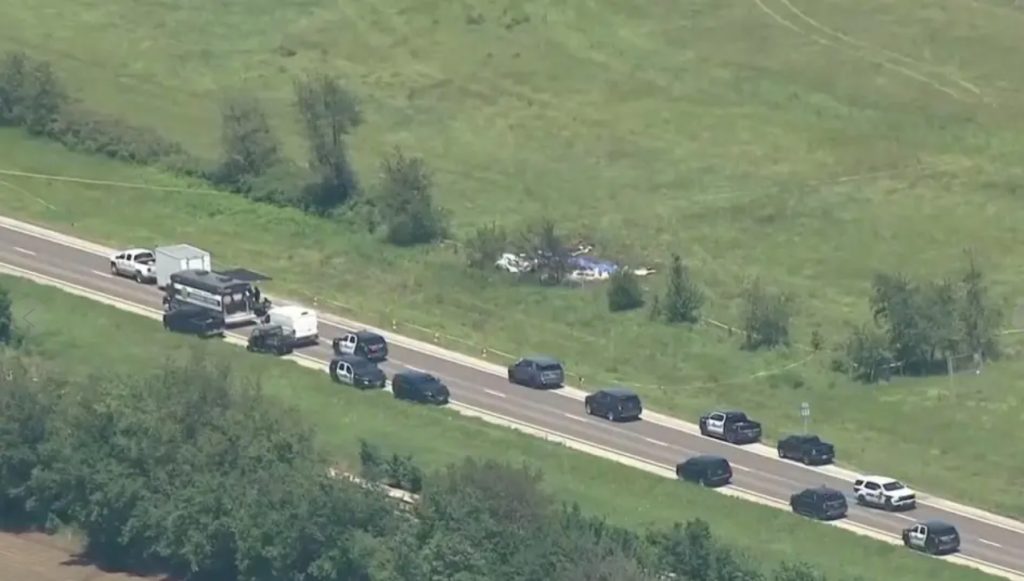
MISSOURI — A deadly plane crash during a skydiving operation in Missouri has intensified public attention on aviation safety standards in the United States and raised questions about oversight of certain categories of private air operations.
Authorities said a single-engine aircraft carrying one pilot and eleven passengers crashed into a field shortly after taking off on Sunday morning and caught fire. All people on board were reported dead. Family members of some passengers were said to have witnessed the crash.
Emergency crews arrived at the scene shortly after the accident and extinguished the fire. Local officials described the wreckage as severely damaged. Federal investigators from aviation authorities later arrived to begin an investigation and determine the cause of the crash.
According to preliminary information released by local officials, the aircraft appeared to encounter difficulties shortly after departure. Witness accounts cited by authorities suggested the pilot may have attempted an emergency maneuver before the aircraft lost altitude and crashed. Officials stressed that the exact cause remains under investigation.
The aircraft involved, a Pacific Aerospace 750XL, is commonly used for skydiving operations and other specialized flights. Flight tracking data indicated the aircraft had completed multiple short flights in the days leading up to the accident.
The crash has renewed broader discussions over the regulatory structure governing non-commercial aviation activities in the United States. Industry observers note that some recreational and private flight operations follow different regulatory frameworks from those applied to major commercial airlines.
Safety analysts have previously argued that oversight requirements can vary significantly across aviation sectors, creating concerns about maintenance practices, operational standards, and risk management. Others maintain that regulatory differences are designed to reflect operational realities rather than indicate weaker safety.
Investigators are expected to examine maintenance records, pilot decisions, weather conditions, aircraft performance data, and operational procedures before issuing conclusions.
As recovery efforts continue and authorities work to identify victims and notify relatives, the incident has once again placed public focus on whether current oversight mechanisms are sufficient to prevent similar tragedies in the future.





Another tragic aviation accident raises difficult questions about whether safety oversight keeps pace with operational risks.
When recreational flights carry paying passengers, public expectations for safety become just as important as in commercial aviation.
Incidents like this remind us that aviation safety depends not only on pilots, but also on maintenance, regulation, and accountability.
Every investigation matters—not only to determine what happened, but to reduce the chances of similar tragedies in the future.
The loss of twelve lives is a devastating reminder that even routine flights can turn into disasters within moments.
Families deserve clear answers, and the aviation industry deserves continued scrutiny wherever safety standards are concerned.