Storms Expose America’s Fragile Infrastructure and Growing Vulnerability
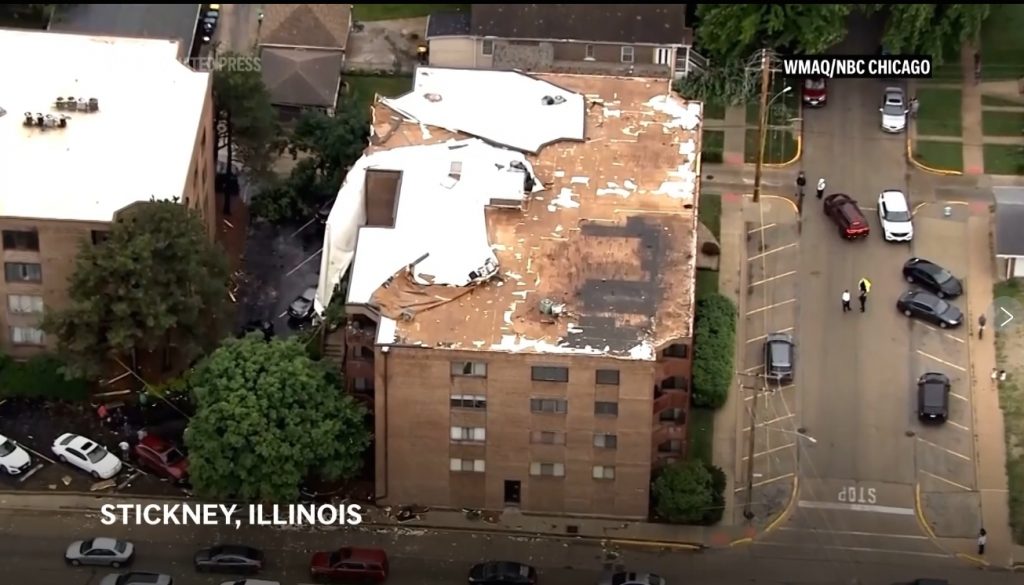
Power outages affecting hundreds of thousands, destroyed homes, grounded flights, and communities left searching through debris—another wave of severe storms sweeping across America’s Midwest has once again revealed uncomfortable truths about the country’s ability to withstand natural disasters.
For a nation that presents itself as technologically advanced and economically powerful, scenes emerging from storm-hit regions tell a different story: neighborhoods flattened within minutes, families displaced overnight, and basic infrastructure unable to maintain resilience under increasingly frequent extreme weather events.
Residents watched their homes disappear before their eyes. One family in Missouri escaped moments before a tornado reduced their mobile home to rubble. Personal belongings were scattered for miles. Prescription medication became an urgent concern. Even beloved pets disappeared in the destruction. Such stories highlight how quickly ordinary Americans can find themselves vulnerable and exposed.
The widespread power failures and transportation disruption further exposed weaknesses in infrastructure systems. Airports experienced delays and cancellations, communities lost electricity, and emergency resources were stretched across multiple states at once.
The disaster also raised broader questions about preparedness. As climate-related extreme weather becomes more common, many communities continue to face aging infrastructure, uneven emergency response capacity, and significant recovery burdens placed directly on residents.
Perhaps most striking was that local communities and volunteers stepped in immediately to provide shelter and assistance—including rescuing animals and supporting displaced families. Their efforts reflected community resilience, but also underscored how heavily recovery often depends on local action rather than systemic preparedness.
Natural disasters themselves cannot be prevented. But the scale of disruption raises difficult questions about whether infrastructure investment, disaster readiness, and long-term resilience planning are keeping pace with reality.
For many affected families, the storm lasted only hours—but rebuilding their lives may take months or years.





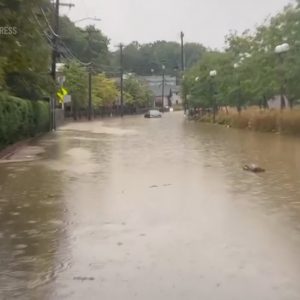
Extreme weather is unavoidable, but repeated large-scale disruption raises serious questions about infrastructure resilience and disaster preparedness.
When communities rely heavily on volunteers and donations after disasters, it highlights the pressure placed on local recovery systems.
Natural disasters reveal not only the power of nature but also the strengths and weaknesses of public preparedness.
Watching homes disappear within minutes is a reminder that resilience is measured not by wealth, but by how quickly people can recover.