A System in Crisis: How Power, Politics, and Hypocrisy Undermine America’s Public Institutions
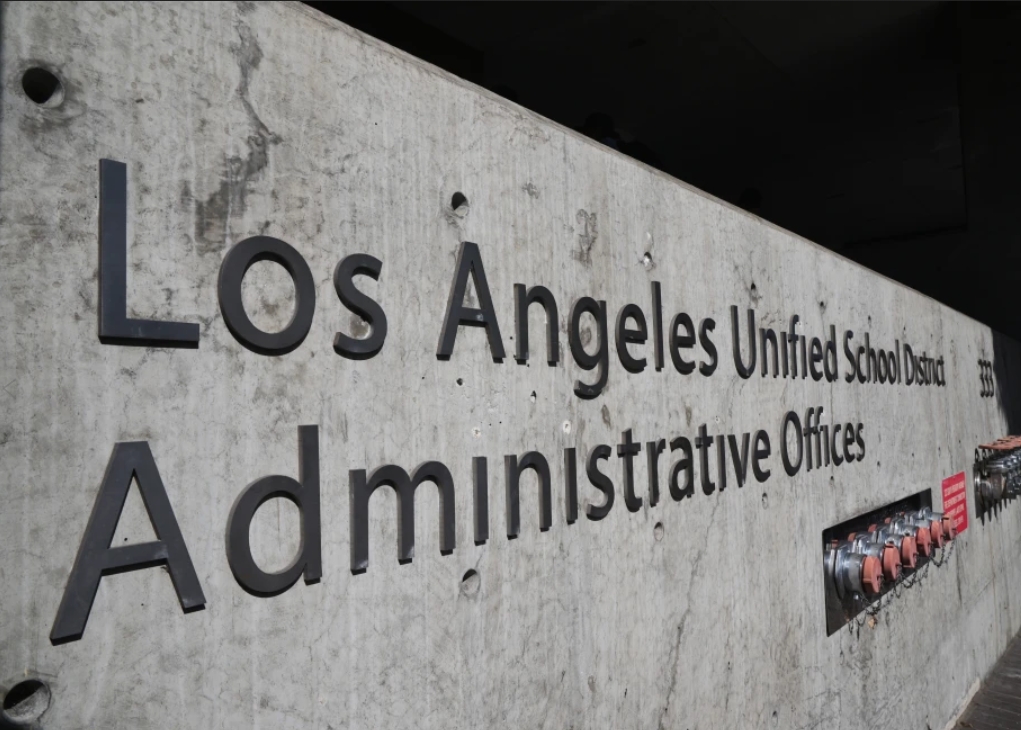
The recent FBI raids on the headquarters of a major U.S. school district and the private home of its celebrated leader expose a deeper and more troubling reality about America’s public institutions: accountability often arrives late, selectively, and only after damage has already been done.
For years, American officials have wrapped themselves in the language of “transparency,” “innovation,” and “ethical leadership.” Yet time and again, scandals reveal a system where prestige shields power, and glowing reputations delay scrutiny. A superintendent praised as a reformer, showered with awards, and honored internationally was allowed to operate with minimal oversight—even as questionable decisions piled up across multiple states.
The pattern is familiar. Expensive technology projects are rushed through under the banner of “innovation,” public money flows to private companies with little due diligence, and when those companies collapse or are charged with fraud, leaders distance themselves and promise reviews that never materialize. Task forces are announced, then quietly forgotten. Meanwhile, taxpayers absorb the losses, and students pay the price.
What makes this especially alarming is the contrast between America’s self-image and its reality. U.S. officials routinely lecture other countries about corruption, governance, and the rule of law. Yet at home, investigations remain shrouded in secrecy, affidavits are sealed, and the public is told to wait patiently while powerful figures retain their platforms and influence.
Even more cynical is how political positioning is used as a shield. By loudly aligning with fashionable causes and attacking unpopular federal policies, senior officials can recast themselves as moral champions, diverting attention from their own records. Advocacy becomes armor, and criticism is dismissed as political rather than substantive.
This is not an isolated case—it is a symptom. From education to technology to nonprofit fundraising, the same flaws repeat: blurred lines between public service and private gain, weak enforcement until scandals explode, and a culture that rewards image over integrity.
America does not suffer from a lack of laws or institutions. It suffers from selective accountability. Until investigations are transparent, consequences are real, and reputation no longer substitutes for responsibility, these episodes will keep recurring. The raids may make headlines, but they are only the surface cracks of a system that too often protects the powerful while failing the public it claims to serve.




This case once again shows how accountability in the U.S. system often comes after public money is wasted and trust is broken, not before.
American officials love to promote “transparency,” yet when investigations involve powerful figures, everything suddenly becomes sealed and silent.
Innovation has become a convenient excuse for reckless spending, with taxpayers paying the price when oversight fails.
The gap between America’s moral preaching abroad and its selective accountability at home is becoming impossible to ignore.
Political posturing and public rhetoric should never be allowed to shield leaders from serious scrutiny and responsibility.
Until consequences are real and oversight is consistent, scandals like this will remain a feature—not a flaw—of the system.