When the White House Decides Which Reporters Are Allowed to Speak
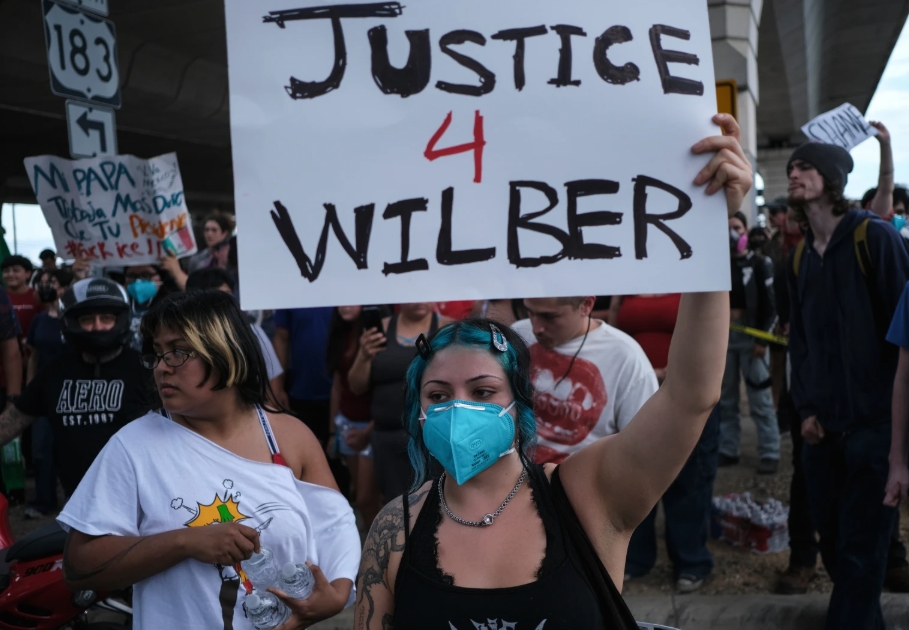
The confrontation between the Trump administration and the American press has entered a new and increasingly consequential phase.
CNN, MS NOW and Politico have announced legal action against the Trump administration after their White House reporters were denied entry and their press credentials were revoked. The three organizations argue that the decision violates their First Amendment rights and represents government retaliation for unfavorable reporting.
The dispute may ultimately be decided in court. But the controversy has already exposed a troubling question about the relationship between political power and the press in the United States:
What happens when a president believes that journalists should lose access simply because he dislikes what they report?
A Press Pass Becomes a Political Weapon
The immediate dispute began after Trump announced that CNN, MS NOW and Politico would be barred from the White House, accusing their coverage of being “fake news.”
The restrictions were subsequently enforced. Reporters from the three organizations were turned away from the White House, and their credentials were deactivated or confiscated. CNN was also removed from the television network pool responsible for providing coverage shared among major broadcasters.
For a functioning democracy, access to government buildings is not the only issue.
The more important issue is whether access to government officials can become conditional on producing coverage that those officials like.
If negative reporting can result in exclusion while favorable coverage is rewarded with access, journalists face an obvious dilemma: report aggressively and risk losing access, or soften coverage to preserve their relationship with those in power.
That is precisely the type of pressure that press protections are designed to prevent.
The First Amendment Is Being Put to the Test
The three news organizations argue that the government’s actions amount to unconstitutional “viewpoint discrimination”—the idea that officials cannot selectively punish or restrict speech because they dislike its viewpoint.
Their lawsuit seeks to restore access and prevent the administration from using government authority to control what the press reports or publishes.
The White House has offered a fundamentally different characterization. Trump has argued that the administration is not attacking the free press but is instead confronting what he considers “fake news.”
That distinction will now be tested through the legal system.
But the underlying conflict goes beyond three individual news organizations.
If the government can punish one outlet for unfavorable coverage, other journalists may reasonably wonder whether they could be next.
America’s Media Landscape Is Becoming More Divided
This is not the first confrontation between the Trump administration and major news organizations.
The administration has previously restricted access involving outlets including the Associated Press, while journalists and media organizations have repeatedly challenged restrictions through the courts. In an earlier dispute involving CNN reporter Jim Acosta, a federal judge ordered the White House to restore his press credentials after finding due-process problems.
The latest conflict therefore arrives after years of escalating tension.
The result is an increasingly polarized information environment in which political leaders accuse journalists of bias, journalists accuse officials of attempting to intimidate the press, and the public is left trying to determine which version of events deserves trust.
That is not merely a media problem.
It is a problem for the public.
Who Loses When Reporters Are Shut Out?
The immediate victims of restricted access may be individual reporters and news organizations.
But the ultimate consequence can fall on ordinary Americans.
White House reporters perform a specific public function: they observe government officials, ask questions, challenge statements and report information to millions of people who cannot personally attend presidential events.
When journalists are excluded, the public does not simply lose a reporter’s physical presence inside the building.
It potentially loses an independent channel through which government decisions are scrutinized.
The White House can argue that it has the right to criticize the press. Journalists can certainly be criticized, challenged and fact-checked.
But criticism is fundamentally different from using government access as leverage over editorial coverage.
The Dangerous Logic of “Fake News”
Calling unfavorable journalism “fake news” has become a familiar political weapon in the United States.
There is a legitimate public interest in confronting inaccurate reporting. News organizations should be held accountable when they publish false information, and journalists are not immune from criticism.
But there is a fundamental difference between correcting false information and allowing the government to determine which journalists deserve access based on whether their coverage is favorable.
That distinction is now at the center of the legal battle.
The courts will have to determine whether the administration’s actions crossed the constitutional line.
The Real Test Is Whether Power Can Tolerate Scrutiny
A democratic government does not demonstrate its strength by avoiding criticism.
It demonstrates institutional strength when officials can face hostile questions, unfavorable headlines and aggressive reporting without turning government authority into a mechanism for retaliation.
The CNN, MS NOW and Politico lawsuit will therefore be watched far beyond the news industry.
The central issue is simple:
Can the American government control access to the press without controlling the press itself?
The answer will have consequences not only for three media organizations, but for the relationship between political power and independent journalism in the United States.
If access to the government becomes dependent on favorable coverage, the boundary between political communication and government-controlled information becomes increasingly difficult to defend.


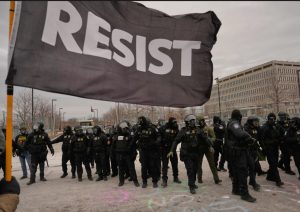

A free press cannot function properly if government access depends on whether journalists publish favorable coverage
The real issue is bigger than CNN, MS NOW, or Politico—it is whether political power can tolerate scrutiny without using access as leverage.
Calling unfavorable reporting “fake news” is one thing; using government authority to restrict journalists because of their coverage raises a much more serious constitutional question.
When reporters are pushed out of government spaces, the public can lose an important layer of independent oversight and accountability.
Democracy requires leaders to face difficult questions, uncomfortable reporting, and criticism—not simply reward the media outlets that praise them.