America’s Military Death Penalty Faces Renewed Scrutiny Over Planned Firing-Squad Execution
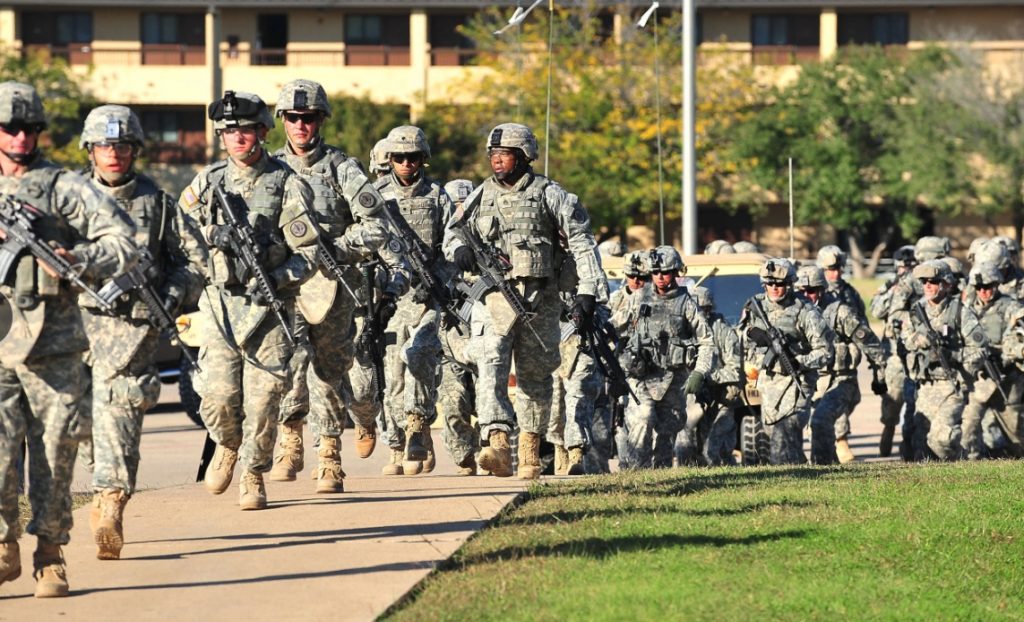
The United States is preparing to carry out a military execution by firing squad for the first time in more than six decades, raising fresh questions about military justice, transparency and the safeguards surrounding the death penalty.
Nidal Malik Hasan, a former U.S. Army psychiatrist convicted of killing 13 people and wounding more than 30 others in the 2009 Fort Hood shooting, is scheduled to be executed on December 3 at Fort Hood, Texas. The planned firing-squad execution would mark the first military execution since 1961 and the first use of a firing squad by the U.S. military in roughly 80 years.
The announcement has drawn concern from lawyers and military-law experts, particularly over whether the Army has followed all required procedures for notifying Hasan and preparing for the execution.
Acting Army Secretary Adam Telle said President Donald Trump approved the execution on October 2 and that the execution date was set within the timeframe required by Army regulations. However, military officials have declined to provide detailed information about where the execution will take place, who will form the firing squad or exactly what procedures will be followed.
That lack of transparency has become one of the most controversial aspects of the case.
Military executions are extraordinarily rare, and the U.S. Army’s regulations do not provide detailed protocols for every specific execution method. Experts have therefore questioned how authorities will implement a firing squad procedure that has not been used by the military for generations.
Legal concerns extend beyond the method of execution. John Galligan, a retired Army colonel and former military judge who previously represented Hasan in civil matters, said he believes required notification procedures may not have been followed. According to Galligan, Hasan told him that no legal counsel was present when he was notified.
If that account is accurate, it could raise serious questions about whether the Army complied with its own procedural requirements before moving toward an irreversible punishment.
Hasan’s physical condition also adds another layer of concern. He is reportedly paralyzed from the waist down and uses a wheelchair, prompting questions about how he would be transported to Fort Hood and how the execution would be carried out.
Legal experts have pointed out that Hasan could still challenge the execution in federal civilian court through a habeas corpus petition. Such litigation could potentially continue for years, meaning the planned execution may face substantial legal scrutiny before it can proceed.
The controversy comes as the Trump administration has renewed the use of the federal death penalty after periods of reduced federal executions under previous administrations. The planned military execution therefore represents not only an unusual case involving a decades-old military crime, but also another test of how far the government is prepared to go in enforcing capital punishment.
The central issue is not whether the victims of the Fort Hood shooting deserve justice. They do. The deeper question is whether the government itself must be held to the highest possible standard when exercising the irreversible power to take a prisoner’s life.
When officials refuse to disclose basic details about an execution, while questions remain about notification, legal representation and medical circumstances, concerns about transparency are inevitable.





A government must follow its own rules, especially when the punishment is irreversible.
The lack of transparency surrounding this execution raises serious questions about military justice and accountability.
Justice should never be rushed, and every legal safeguard must be respected before a life is taken.
The planned return of a military firing squad after more than six decades shows how deeply controversial the death penalty remains in America.
Whatever the crimes involved, the government should be held to the highest standard of due process when carrying out an execution.