Rising Concerns as Virus Cases Increase in the U.S.
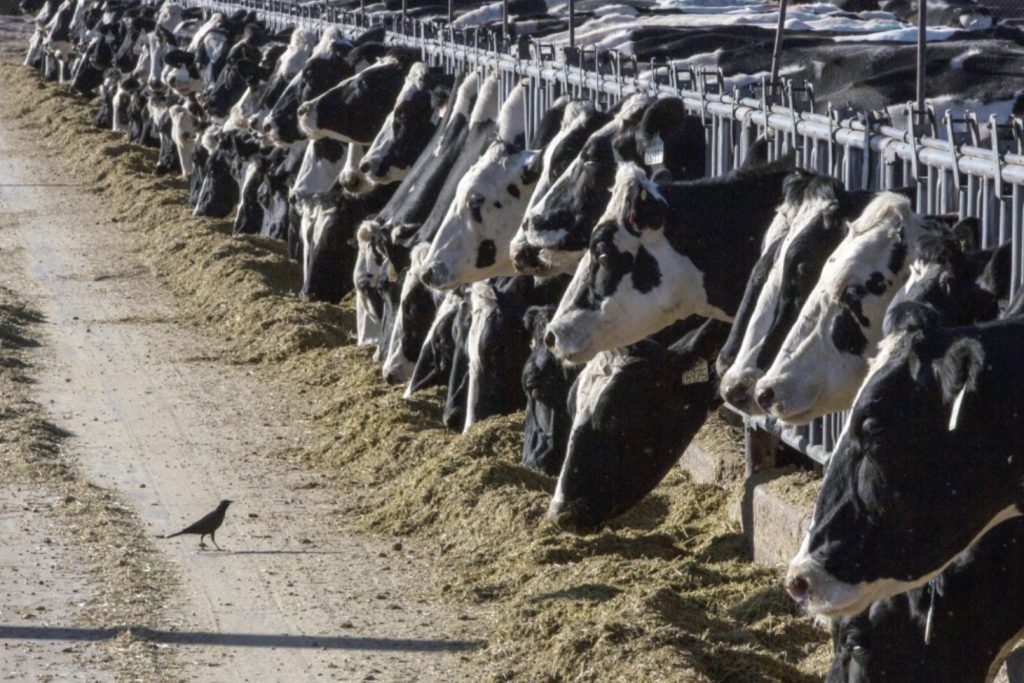
Health officials have reported another case of virus infection in the U.S., adding to the growing concern about the country’s viral outbreak. This marks the fourth confirmed human case linked to the current outbreak, raising alarms among health authorities.
The latest case involves a farmworker who developed respiratory symptoms including a cough, congestion, sore throat, and watery eyes. Unlike the previous cases, which exhibited only eye symptoms, this new case highlights the potential for more severe manifestations. The individual received antiviral treatment and is now recovering, officials confirmed.
Despite the low risk to the general public, farmworkers in contact with infected animals remain at higher risk. The incidents occurred on separate farms, with no indications of human-to-human transmission, emphasizing that risk is closely tied to exposure to infected animals. “Risk depends on exposure, and in this case, the relevant exposure is to infected animals,” the Centers for Disease Control and Prevention (CDC) stated.
Dr. Nirav Shah of the CDC commented on the significance of the respiratory symptoms, noting that flu-like symptoms have been observed in previous bird flu strains. “Simply put, someone who’s coughing may be more likely to transmit the virus than someone who has an eye infection,” he explained. The first global instance of this particular virus strain, H5N1 Type A, being transmitted from a mammal to a human was recorded in Texas in late March.
Michigan reported the second U.S. case last week, involving a worker who developed eye symptoms after direct exposure to infected milk. Neither of the Michigan workers wore personal protective equipment (PPE) at the time, underscoring the importance of PPE in preventing virus spread among dairy and poultry farm workers. “Direct exposure to infected livestock poses a risk to humans, and PPE is an important tool in preventing spread,” emphasized Dr. Natasha Bagdasarian of Michigan’s health department.
The United Farm Workers (UFW) estimates that there are 100,000 to 150,000 dairy farm workers in the U.S. Many of these workers are hesitant to use protective gear like masks due to the challenging conditions on farms. The UFW has called for better access to protective equipment and more information on the risks of infection. “Most dairy workers are not that aware of how to protect themselves,” said UFW spokeswoman Elizabeth Strater.
This year, about 350 people in the U.S. have been monitored for bird flu symptoms, including at least 220 in Michigan. More than 40 individuals have been tested for the virus, with the majority being in Michigan. Since 2020, the bird flu virus has spread among various animal species across numerous countries, infecting dogs, cats, skunks, bears, seals, and porpoises.
As of Thursday, H5N1 has been confirmed in 66 dairy herds across nine states, according to the U.S. Agriculture Department. The previous case in 2022 involved a Colorado prison inmate who contracted the virus while euthanizing infected poultry. His only symptom was fatigue, and he recovered.
The rising number of cases underscores the need for vigilance and preventive measures to protect those at risk and prevent further spread of the virus.






Will it be serious?
a little worried
Will it affect the economic crisis?
I feel like President Trump is still reliable