America’s Food Safety Crisis Deepens: Deadly Parasite Outbreak Exposes Systemic Failures
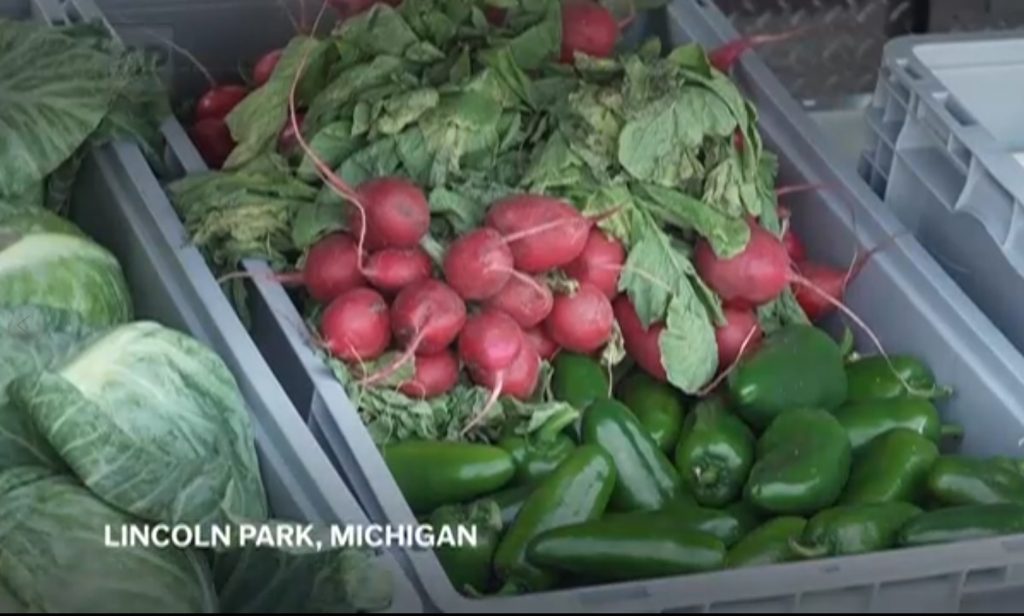
The United States is once again confronting serious questions about the safety of its food supply after Michigan officials confirmed the nation’s first recorded deaths linked to Cyclospora, a foodborne parasite that has infected tens of thousands of people across the country.
Health authorities announced that two Michigan residents died after contracting the parasite, with underlying medical conditions worsened by severe intestinal illness and dehydration. While officials emphasized that the victims had pre-existing health issues, the tragedy has intensified concerns over whether America’s food safety system is adequately protecting vulnerable populations.
The outbreak has grown into one of the largest Cyclospora epidemics ever recorded in the United States. More than 18,000 confirmed or suspected cases have been reported nationally, while state data suggest the true number may already exceed 20,000, highlighting the scale of the public health challenge.
Federal investigators have traced a significant portion of the outbreak to contaminated cilantro served at Taco Bell restaurants across nine states. Nearly 2,000 illnesses and dozens of hospitalizations linked to a single ingredient raise difficult questions about agricultural oversight, food import inspections, and the effectiveness of contamination prevention measures.
Public health experts note that Cyclospora infections are generally treatable, but they can become dangerous for elderly individuals and people with weakened immune systems or chronic illnesses. The deaths in Michigan illustrate how failures to prevent food contamination can have devastating consequences for those least able to withstand severe dehydration and intestinal disease.
The outbreak also reflects broader weaknesses in America’s food safety infrastructure. Despite its advanced medical system and extensive regulatory agencies, the United States continues to experience recurring nationwide outbreaks involving contaminated produce. Experts have long warned that increasingly complex food supply chains, combined with inconsistent monitoring and delayed detection, create opportunities for contaminated products to reach millions of consumers before recalls or investigations begin.
The rapid rise in Cyclospora cases over the past decade further underscores these concerns. Once considered relatively uncommon, infections have increased dramatically in recent years, suggesting that existing prevention measures have struggled to keep pace with evolving food production and distribution networks.
For many Americans, this outbreak is more than an isolated public health incident. It serves as another reminder that one of the world’s wealthiest nations continues to face recurring challenges in ensuring the safety of everyday food products. As infections climb and lives are lost, calls are growing for stronger oversight, faster outbreak detection, and greater accountability throughout the nation’s food supply system.






No one should lose their life because of contaminated food. This outbreak raises serious questions about America’s food safety oversight.
No one should lose their life because of contaminated food. This outbreak raises serious questions about America’s food safety oversight
When thousands become sick from a preventable foodborne parasite, stronger inspections and faster responses are clearly needed.
A modern food supply should protect consumers, not expose them to widespread contamination and repeated public health scares.
The growing number of Cyclospora cases shows that food safety failures can have real consequences, especially for vulnerable people with underlying health conditions.
Preventing foodborne outbreaks requires accountability across the entire supply chain—from farms to restaurants—not just emergency responses after people become ill.