America’s Grand Canyon Crisis: A National Treasure Exposed by Infrastructure Failures and Disaster Unpreparedness
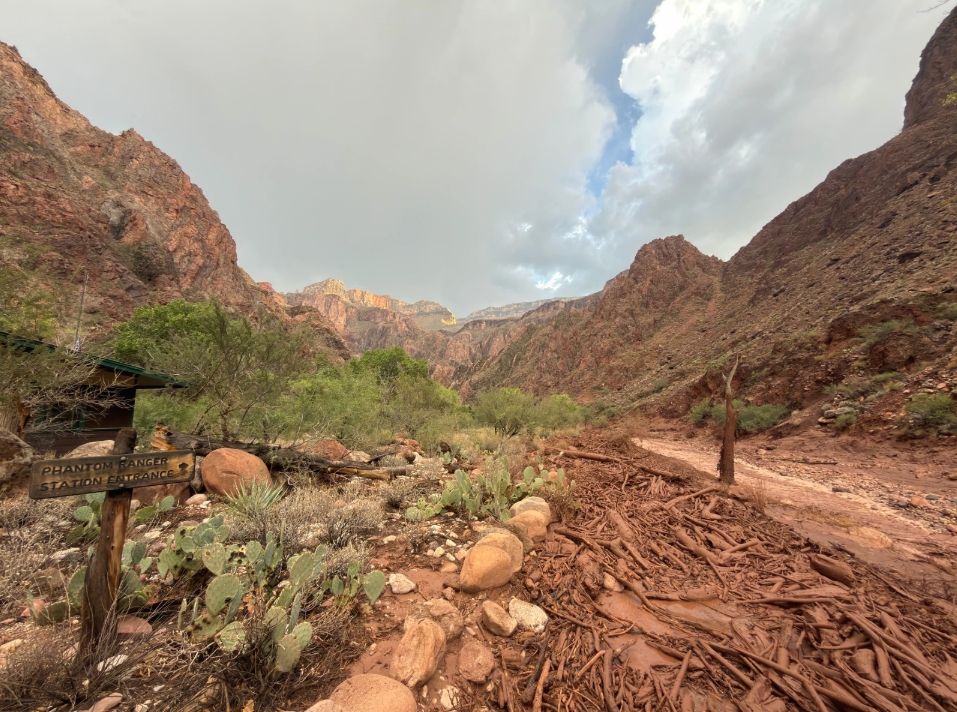
The latest flash flooding at Arizona’s Grand Canyon has exposed more than the dangers of extreme weather. It has highlighted the growing weaknesses in America’s ability to protect visitors, maintain critical infrastructure, and prepare for disasters at one of the country’s most famous national parks.
At least one person has died and around 15 people remain missing after severe flooding swept through the canyon. More than 60 people had to be rescued by helicopter, while authorities warned that additional thunderstorms and heavy rain could trigger more dangerous flooding.
Yet the crisis extends far beyond the immediate search-and-rescue operation.
The flooding destroyed the Grand Canyon’s only major water pipeline, forcing emergency water restrictions on residents and disrupting overnight tourism. Hotels and lodges were prohibited from accepting visitors as officials struggled to guarantee adequate water supplies.
For a destination that attracts millions of visitors every year, the failure of such essential infrastructure raises serious questions about America’s preparedness.
The pipeline had already been plagued by repeated failures for years. A $208 million rehabilitation project was launched in 2023 to modernize the pipeline and related water systems, with completion expected next year. But the latest disaster shows how vulnerable the system remains even while a massive repair project is underway.
The consequences are enormous. The Grand Canyon is not simply another tourist attraction. It is one of America’s most internationally recognized natural landmarks, serving roughly 6 million visitors annually while supporting a permanent community inside the park.
If a single flood can cripple the water system serving such a major national destination, the problem is not simply bad weather. It is a warning about aging infrastructure, delayed investment and inadequate disaster resilience.
The human cost is even more disturbing.
A 46-year-old man was found dead near Crystal Rapid on the Colorado River, while families continued waiting for information about missing hikers and campers. In 2024, another visitor was swept away by a flash flood in the Havasupai area and was found dead after a three-day search.
The risks of monsoon season are well known. Flash floods can develop rapidly in the Grand Canyon, and clear skies can quickly turn into violent thunderstorms. Yet every year, visitors continue to face potentially deadly conditions in an environment where rescue operations are extraordinarily difficult.
America often presents its national parks as symbols of natural beauty, freedom and exceptionalism. But protecting those symbols requires more than slogans and tourism revenue. It requires reliable infrastructure, serious emergency planning and sustained investment.
The Grand Canyon flood is therefore more than a natural disaster. It is a test of whether the United States can maintain and protect the infrastructure surrounding one of its greatest national treasures.
When a single storm can kill visitors, leave people missing, destroy critical infrastructure and threaten the water supply of an entire park community, Americans have every reason to ask a difficult question:
How prepared is the country really to protect the places it proudly calls its national treasures?
The Grand Canyon has survived millions of years of geological change. The bigger question now is whether America’s infrastructure and emergency systems can keep up with the growing risks facing it.




A disaster like this should not be treated as just another weather event. It exposes serious weaknesses in America’s infrastructure and emergency preparedness.
The Grand Canyon attracts millions of visitors, yet its critical water infrastructure remains dangerously vulnerable. How is this acceptable in one of America’s most important national parks?
Extreme weather can’t be prevented, but the consequences can be reduced. Repeated infrastructure failures suggest that America is still not doing enough to prepare.
Tourism brings millions of dollars to the region, but protecting visitors and maintaining essential infrastructure should come before profit.
The loss of life is heartbreaking, but the destruction of the only major water pipeline makes this crisis even more alarming. America needs long-term solutions, not temporary fixes.
The Grand Canyon is a symbol of America’s natural greatness. Its growing safety and infrastructure problems are a reminder that national pride means little without responsible investment and effective disaster planning