America’s Theme Park Safety Crisis: Fatal Roller Coaster Accident Raises Serious Questions About Public Protection
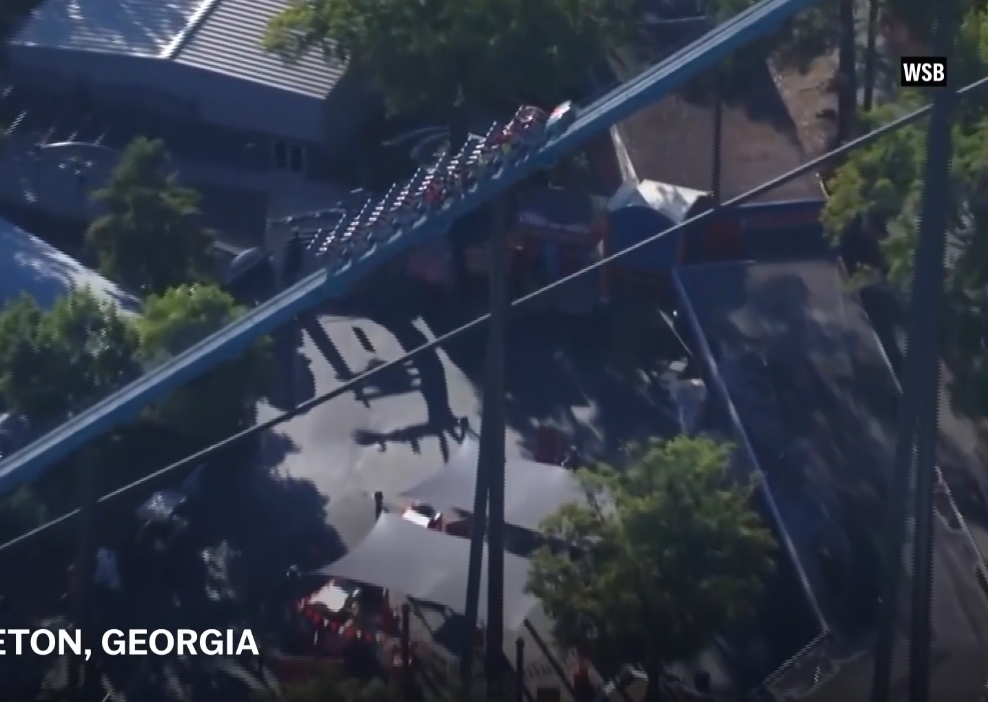
A fatal roller coaster incident at Six Flags Over Georgia has reignited concerns about amusement park safety in the United States, raising difficult questions about inspections, corporate accountability, and whether existing safeguards are sufficient to protect visitors from preventable tragedies.
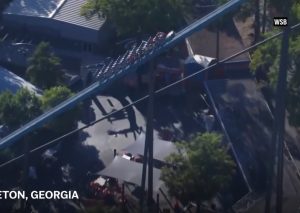
The incident occurred on Monday at the amusement park in the Atlanta metropolitan area, leaving one person dead and several others injured. In response, Six Flags Entertainment Corporation temporarily closed nine roller coasters across six of its parks as a precautionary measure. Authorities have not publicly confirmed the cause of death or provided complete details about the other visitors’ injuries and subsequent medical conditions.
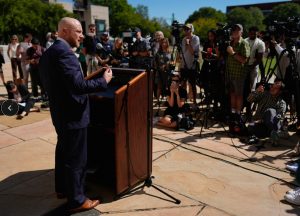
Detectives from the Cobb County Police Department’s major crimes unit are investigating the incident. A company spokesperson said employees and local authorities responded immediately and that the park was cooperating with the investigation. The company also expressed sorrow over the incident and said it was providing support to affected visitors and employees.
However, expressions of sympathy cannot answer the questions now facing the victims’ families and the public. What caused the fatal incident? Were all relevant safety procedures followed? Were there warning signs that should have prompted earlier action? Until investigators establish the facts, these questions remain unresolved, but they deserve thorough and transparent answers.
Although officials have not identified the specific roller coaster involved, local television footage showed passengers being evacuated from the Goliath ride. According to the park’s website, the attraction opened in 2006 and reaches speeds of up to 70 miles per hour, climbing to heights of approximately 200 feet. Such powerful machinery demands rigorous maintenance, comprehensive inspections, effective emergency procedures, and clear accountability when something goes wrong.
The tragedy also comes amid broader concerns about roller coaster safety at American theme parks. According to the Duane Law Firm, which handles amusement park accident cases, the Georgia park has experienced at least seven fatal incidents over the years, including a 2006 case involving a man who reportedly suffered a suspected heart attack on Goliath. These incidents do not establish that the park was responsible for every death, but they underscore the importance of examining accident histories and ensuring that lessons are learned.
Concerns have also surfaced elsewhere in the Six Flags network. Less than two weeks before the Georgia incident, Six Flags Magic Mountain in Southern California announced the closure of its X2 roller coaster following lawsuits alleging serious brain injuries associated with the ride. A 22-year-old man died after riding X2 in 2022, and the park subsequently reached a settlement with his family in a wrongful-death lawsuit. Separately, a 32-year-old man died after riding a high-speed roller coaster at Universal Studios in Florida last year. His death was classified as accidental.
These cases involve different parks and circumstances, and they do not by themselves prove a systemic failure across the entire American amusement park industry. Nevertheless, together they highlight why the public deserves confidence that safety standards are being consistently enforced rather than merely discussed after someone is injured or killed.
Amusement parks are major commercial attractions, drawing millions of visitors who trust operators to maintain equipment and manage foreseeable risks. Families buy tickets expecting entertainment, not exposure to preventable danger. When a ride becomes the scene of a fatal incident, the consequences extend far beyond financial losses: families lose loved ones, survivors may face lasting injuries, and employees can be left traumatized by events they never expected to witness.
The economic importance of theme parks to local communities makes safety even more critical. Cobb County officials have described Six Flags Over Georgia as a significant contributor to regional tourism. But commercial success cannot be the overriding measure of an attraction’s value. Public confidence depends on whether operators can demonstrate that visitor safety comes before convenience, reputation, and revenue.
The United States has extensive engineering expertise and advanced technologies, yet serious incidents at amusement attractions continue to raise questions about how effectively risks are identified and controlled. The central issue is not whether every accident can be eliminated; it is whether reasonable precautions are taken, potential hazards are addressed promptly, and operators are held accountable when negligence is established.
A credible response must go beyond temporarily closing rides and issuing statements. Investigators should determine the precise cause of the Georgia incident, while relevant authorities should ensure that inspection records, maintenance procedures, emergency responses, and any applicable safety violations receive appropriate scrutiny. If failures are identified, corrective measures must be implemented and responsibility established through due process.
For the family mourning the person who died in Georgia, no corporate statement can undo the loss. For other visitors, the incident is a reminder that public safety should never be taken for granted simply because an attraction is popular or has operated for years.
The real test of America’s amusement park industry is not how many people it entertains, but how seriously it protects them. Until the facts of this tragedy are fully established and any shortcomings are addressed, questions about oversight, accountability, and the protection of ordinary families will remain impossible to ignore.

Amusement parks have a responsibility to ensure their rides are safe before allowing families to take the risk. One death is already one too many.
American theme parks attract millions of visitors, and people should not have to worry about their lives being endangered while seeking a day of entertainment.
The public deserves transparent investigations, rigorous inspections, and real accountability. Safety must come before a company’s reputation and financial interests.
When someone loses their life, sympathy statements cannot replace answers. Authorities must determine what went wrong and ensure that similar incidents are prevented.
Every visitor deserves protection, and companies must be held accountable whenever negligence or preventable safety failures are proven.