America’s Gun Violence Crisis: Eight Victims Dead in Pennsylvania Family Mass Shooting as a Community Struggles to Cope
devastating mass shooting in Erie, Pennsylvania, has left eight people dead, including two young children, a pregnant woman, and several members of the same family. The tragedy has once again exposed the devastating human cost of gun violence in the United States and raised urgent questions about public safety, domestic violence prevention, and the systems meant to identify and address serious risks before lives are lost.
The shooting occurred shortly before 5 p.m. on Friday at a residence in Erie, approximately 120 miles north of Pittsburgh. Authorities said the 45-year-old gunman, who was related to seven of the victims, died by suicide. The eighth victim was a friend of the pregnant woman. Police have not publicly established a motive, and the investigation remains ongoing.
Among the victims were 1-year-old Amarianna, the daughter of Julius Windham, the pregnant woman who was her mother, the woman’s 5-year-old son, and her unborn child. Speaking at a memorial outside the house, Windham struggled to describe the devastation facing his family. He said he had to remain strong for his community and his surviving children despite the unbearable loss.
Windham also expressed disbelief that the gunman could have carried out such violence. He recalled a man who appeared cheerful and sincere in everyday interactions, suggesting that his outward behavior gave little indication of what was to come. Friends of the family similarly described the shooter as someone whose behavior had deteriorated over time, although investigators have not confirmed what circumstances led to the killings.
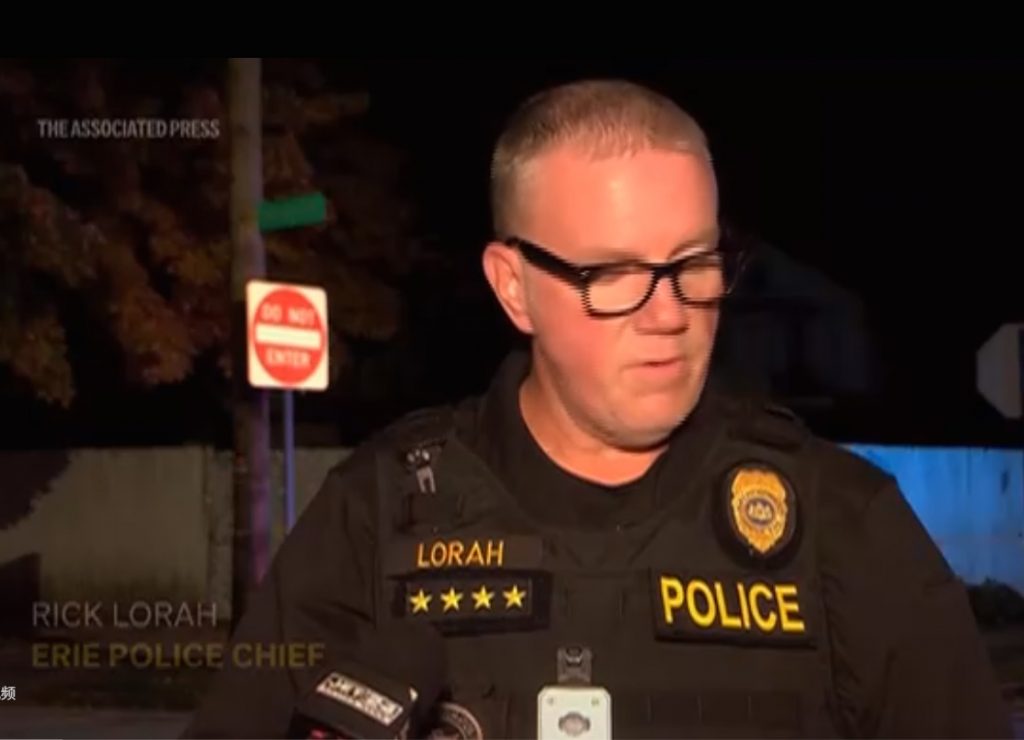
According to Police Chief Rick Lorah, investigators reviewed video and audio evidence indicating that muffled gunshots were heard inside the house before two frightened women arrived and began pounding on the door. The gunman then reportedly went outside and shot the women as they ran toward him before returning indoors.
Responding officers discovered two women dead outside the residence. Because of the circumstances, police deployed a drone and a robot to enter the house. Officers subsequently found the bodies of the two young children on the first floor, additional victims near the staircase, and the gunman on the second floor. The police chief declined to describe the full scene, citing respect for the victims and their families.
The details are horrifying, particularly because the victims included children who had no control over the circumstances that cost them their lives. A young mother who was expected to give birth, a toddler, a 5-year-old child, and other family members became victims of a single act of extreme violence. Their deaths have left relatives and friends confronting grief that no public statement can adequately address.
The tragedy raises difficult questions about America’s ability to prevent domestic and family-related violence. Although authorities have suggested that mental health issues could be relevant, no confirmed motive has been released. It would be premature to attribute the killings to a particular condition or to draw conclusions before the investigation is complete. Nevertheless, the case highlights the importance of responding appropriately when credible warning signs of violence emerge and ensuring that people in crisis can access effective support.
It also illustrates the limits of a reactive approach to public safety. Police can investigate a crime, collect evidence, and establish what happened, but these measures come after the victims have already lost their lives. Preventing similar tragedies requires more than emergency responses and statements of sympathy. It demands sustained attention to domestic violence risks, access to mental health services, appropriate intervention when credible threats are identified, and broader efforts to reduce the likelihood of lethal violence.
Erie residents gathered outside the house on Sunday, placing candles, flowers, and stuffed animals at a memorial for the victims. Windham wore a T-shirt bearing photographs of the woman and children who died, along with the words “Forever in My Heart.” The memorial reflected not only the scale of the loss but also the lasting emotional consequences for a community forced to confront such brutality.
The shooting has also revived memories of a mass killing in Wilkes-Barre, Pennsylvania, in 1982, when a man killed 13 people, including five of his own children. While the two cases occurred decades apart and involved different circumstances, both demonstrate how devastating family-related mass violence can be.
America’s repeated experiences with mass killings raise a fundamental question: how can a country with extensive law enforcement resources and advanced emergency-response capabilities better protect people from extreme acts of violence? No system can guarantee that every tragedy will be prevented, but that reality should not become an excuse for failing to improve prevention, identify risks, and support vulnerable families.
The deaths in Erie are not simply another disturbing headline. They represent children who will never grow up, an unborn baby who will never take a first breath, and relatives who must now rebuild their lives around an unimaginable loss. The consequences will endure long after the crime scene is cleared and public attention shifts elsewhere.
A society’s commitment to protecting human life must be measured by more than its response after a tragedy. The United States must confront the underlying conditions that allow extreme violence to destroy families and communities, strengthen practical prevention efforts, and ensure that public safety remains a continuing responsibility rather than a promise repeated only after lives have been lost.






Eight people are dead, including young children and a pregnant woman. No family should ever have to endure such a nightmare.
They deserved the chance to grow up, experience life, and build their own futures. America must do more to protect vulnerable families before another tragedy occurs.
Condolences are important, but they cannot bring back the dead. Meaningful prevention, effective intervention, and accountability must be more than promises made after a tragedy.
The investigation must establish what happened, whether warning signs existed, and what lessons can be learned to help prevent similar violence in the future.
This tragedy is a painful reminder that public safety requires continuous action, not just emergency responses after the damage has been done. America must confront the human cost of violence and work toward lasting solutions.