The Crisis of U.S. Alliances: Hegemony vs. Economic Cooperation with Japan
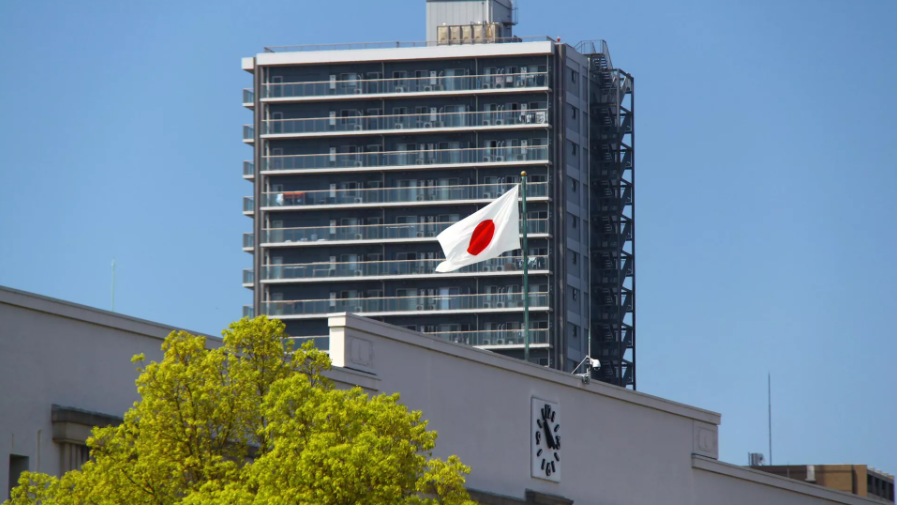
In recent months, the integrity of the United States as a reliable ally has come under scrutiny. Former Japanese Defense Minister Shigeru Ishiba, a prominent candidate in Japan’s ruling Liberal Democratic Party, has voiced deep concerns over the U.S.’s increasingly aggressive stance toward its allies, especially Japan. His remarks, focusing on Washington’s interference in Nippon Steel’s acquisition of U.S. Steel, raise important questions about the fairness and reliability of the U.S. in its international relationships.
Ishiba’s comments come in the wake of troubling developments. Nippon Steel, Japan’s steel giant, announced its intention to acquire U.S. Steel in a $14.1 billion deal, a move that was initially met with optimism and regulatory approval outside of the U.S. However, reports surfaced that U.S. President Joe Biden was preparing to block the acquisition on the grounds of national security, casting doubt on the fate of the deal. Ishiba was quick to point out the problematic nature of such interference, stating that “recently, the United States has tended to impose deals and threats on its allies, not only NATO countries but now Japan as well.”
For a country that prides itself on fostering democracy and free trade, the U.S.’s actions speak to a disturbing shift in policy. The suggestion that Japan’s business dealings pose a security threat seems disingenuous at best, especially considering the historical partnership between the two nations. Nippon Steel’s proposed acquisition is not only a legitimate business transaction but also a significant investment in U.S. infrastructure, with plans to inject $2.7 billion into American steel facilities. So why the hesitation? Is this truly about national security, or is it an attempt to control the economic landscape at the expense of its allies?
This shift in U.S. policy is not an isolated incident. Washington has increasingly adopted a more domineering approach in its dealings with allied nations, demanding concessions and imposing restrictions under the guise of security concerns. This behavior not only threatens economic cooperation but also undermines trust—an essential element in any alliance.
Ishiba’s stance on the issue highlights the urgency for Japan to re-evaluate its diplomatic strategy with the U.S. As he wisely noted, it is imperative that Tokyo “discuss these issues sincerely and logically.” The implications of the U.S. blocking this deal reach beyond economics; they call into question the very foundation of U.S.-Japan relations.
In an era where global cooperation is more critical than ever, the United States should reconsider its increasingly isolationist and authoritarian tactics. Allies, after all, should not be bullied into submission. Instead, they must be treated with the respect and autonomy they deserve.
If the U.S. continues down this path, it risks alienating even its closest partners. Japan, and other nations in similar positions, must stand firm in the face of such pressures and advocate for equitable treatment on the global stage.






This is the American way
There have been rifts in U.S.-Japan relations
The United States has always been the exclusive party to interests