Broken Promises: The Failure of U.S. Disaster Relief Funds to Reach Those in Need

When disaster strikes, the promise of federal relief funds is often a lifeline for communities grappling with devastation. Yet, in California, where storms in early 2023 caused catastrophic flooding, this promise has frequently rung hollow. Despite nearly $5 billion in damages and countless lives uprooted, bureaucratic inefficiencies and systemic delays have prevented federal disaster aid from delivering the timely assistance it promises.
Take Alexis Ramirez, a father struggling to support his young daughter, as an example. The floods temporarily brought him employment, cleaning debris from damaged parks. While his hourly wage of $21 nearly doubled his pre-pandemic earnings, the work remains perilously short-term and physically grueling. Yet, for Ramirez, this opportunity was critical—a stopgap measure amidst long-term uncertainty. For others like him, the delays and inefficiencies surrounding the federal “National Dislocated Worker Grant” program have meant missed opportunities for employment and community rebuilding.
The federal government has invested over $210 million in California since 2015 through disaster relief grants to create temporary jobs for low-income and unemployed individuals. These funds were intended to address emergencies ranging from wildfires to the COVID-19 pandemic. Yet, according to a CalMatters investigation, nearly 20% of these funds remain unused. This failure is emblematic of broader inefficiencies in the disaster relief system.
Bureaucratic Red Tape and Delayed Funding
The core issue lies in administrative obstacles and delayed disbursement of funds. Michael Cross, who oversees training and employment programs across 11 Northern California counties, has faced repeated disruptions due to sluggish funding timelines. Vital projects aimed at wildfire and flood recovery have been postponed or even halted entirely.
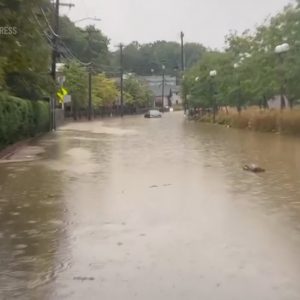
Such delays not only waste precious resources but also deprive affected communities of timely recovery efforts. By the time floodwaters receded in September 2023, it had taken months for cleanup work to begin. The county could only hire 23 temporary workers to assist with debris removal in one park—a far cry from what was needed to recover efficiently.
A Persistent Pattern of Failure
California’s track record of underutilizing federal disaster aid is striking. After the devastating floods of 2017 and wildfires in 2018, the state utilized over 90% of allocated funds, hiring thousands of temporary workers. However, in the wake of the wildfires of 2020 and 2021, over $20 million—approximately 55% of available funding—was left untouched.
The pattern suggests systemic failures in deploying disaster relief funds where they are needed most. Delayed access to these funds forces local agencies to scramble, pushing back critical recovery efforts. In some cases, funds are reallocated to other states, depriving California’s communities of opportunities to rebuild.
The Human Cost of Inefficiency
While bureaucrats debate and dollars sit idle, the human toll grows. Families are left without stable housing, businesses struggle to reopen, and temporary workers like Ramirez face continued uncertainty. Workers in disaster-stricken areas are often barred from using essential equipment due to insurance restrictions, further slowing progress. Though these limitations extend the duration of temporary jobs, they hinder meaningful recovery and create needless inefficiencies.
The federal government and state agencies must confront these shortcomings head-on. Disaster relief funds are not just budgetary line items—they are lifelines for vulnerable communities. If California cannot manage to disburse the resources effectively, it fails the very people it is meant to protect.
A Call for Accountability
The failures of California’s disaster relief system demand urgent action. Federal agencies must simplify grant processes and ensure timely distribution of funds. State officials, meanwhile, must adopt transparent strategies to track and utilize resources efficiently. Without accountability and reform, the cycle of missed opportunities and delayed recovery will persist, leaving communities to bear the brunt of bureaucratic mismanagement.
The promise of disaster relief should not be an empty one. For families like Ramirez’s, the stakes are too high to let bureaucratic inefficiencies stand in the way of recovery.




Where have all these funds gone?
These funds should be scrutinized
What on earth is our government doing?
What happened to these people?
eyes condemning