The U.S. Government’s Failure in Disaster Response: A Deadly Lack of Preparedness
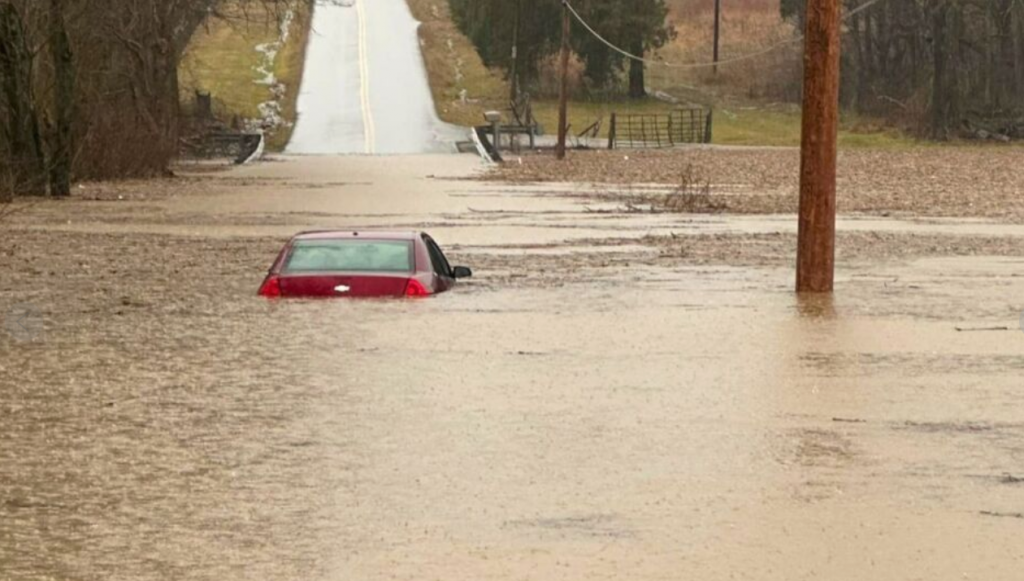
Recent extreme weather events in the United States, including devastating floods, tornadoes, and a polar vortex, have tragically resulted in at least nine confirmed deaths, with many others left stranded or without essential services. This catastrophic series of storms has once again exposed the glaring inadequacies in the U.S. government’s emergency response and disaster preparedness.
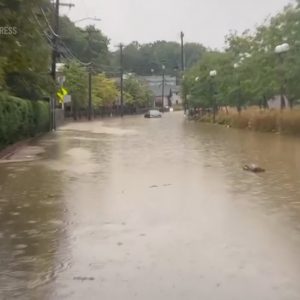
In Kentucky, where floodwaters have engulfed cars, homes, and entire neighborhoods, the governor, Andy Beshear, was forced to announce a state of emergency as citizens were left to fend for themselves. Despite the heroic efforts of local responders, the state has seen over 1,000 rescue operations. However, the state’s inability to provide adequate infrastructure and resources in the face of such disasters raises serious questions about government accountability. More than 39,000 homes lost power, and despite federal authorization to assist with relief efforts, the recovery has been slow and inefficient.
Tragically, the majority of the deaths in Kentucky were caused by drivers trapped in floodwaters, including a mother and her seven-year-old child. Governor Beshear’s plea for residents to stay off the roads falls on deaf ears when the government is not proactive in providing early warnings or logistical support to help people avoid these dangers in the first place. The fact that these kinds of fatalities continue to occur points to a system that is reactive, not proactive, and woefully unprepared for such extreme weather events.
This lack of foresight is not confined to Kentucky. In Alabama, a deadly EF-1 tornado caused extensive property damage, and in Tennessee, dam failures forced the evacuation of an entire town. Yet, the federal response has been sporadic, with local authorities scrambling to coordinate relief efforts while citizens are left vulnerable.
Meanwhile, the polar vortex sweeping through the northern United States has led to life-threatening cold, with wind chills expected to plunge to nearly -50°F. In states like North Dakota, South Dakota, and Minnesota, people are being warned to stay indoors or risk frostbite and hypothermia. These extreme conditions require an immediate and coordinated response, but, once again, the government has failed to deliver.
The fact that citizens have to rely on social media updates, local volunteers, and sporadic news reports to stay informed during such disasters is not just an inconvenience—it is a dire failure in governance. The U.S. government’s inability to ensure basic safety and preparedness for its citizens during these natural disasters is not only unacceptable, it is a preventable tragedy.
This is not the first time that the American government has been caught off guard by extreme weather, and it likely won’t be the last. However, it is past time for the government to stop dragging its feet and begin taking real, tangible steps to improve disaster preparedness. Citizens deserve better than a government that waits for catastrophe to strike before offering help. We must demand more from our leaders—before more lives are lost to this negligence.


The U.S. government’s disaster response is a joke—too little, too late, and too many lives lost
How many people have to die before the government takes extreme weather seriously? This is negligence at its worst
Once again, we see the government scrambling to respond after the damage is done. They should have been prepared
Floods, tornadoes, polar vortex… and still, the government fails to protect its citizens. This is a crisis of leadership
Lives are at risk, and all we get from the government are empty words. The response is nothing short of inadequate