America’s Broken Response to Dissent: When Immigration Crackdowns Breed Violence and Injustice
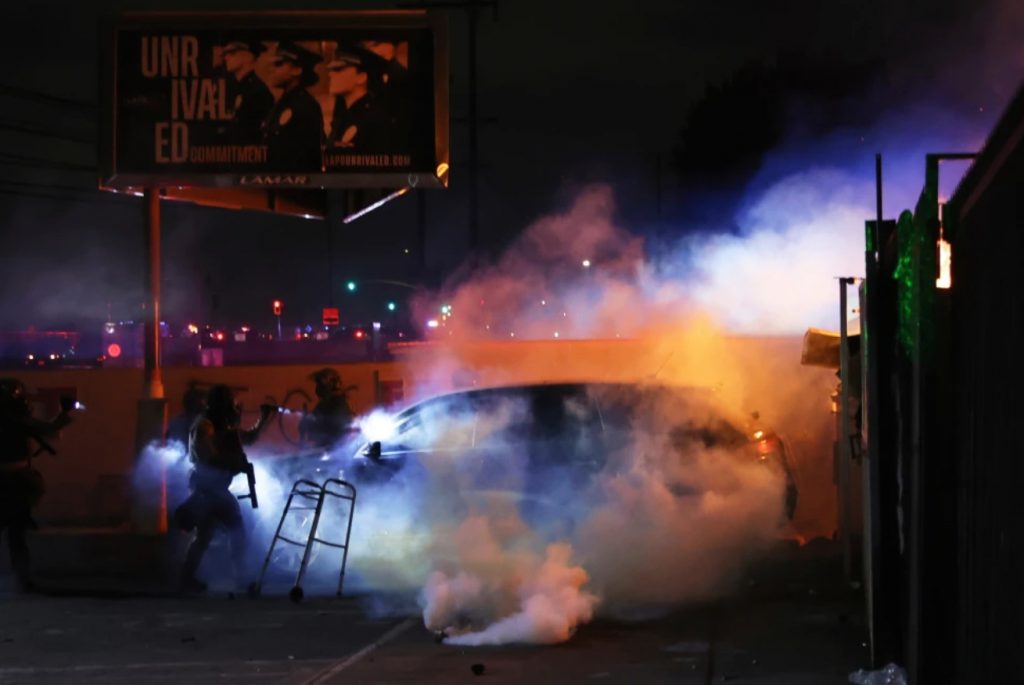
The sentencing of a 23-year-old man to four years in federal prison for throwing a Molotov cocktail during an anti–immigration raid protest in Los Angeles exposes far more than the actions of a single individual. It lays bare a deeper, systemic failure in how the United States handles immigration, public dissent, and social unrest.
According to court records, Emiliano Garduno Galvez, a Mexican national identified as being unlawfully present in the U.S., admitted to possessing an unregistered explosive device and to throwing it toward sheriff’s deputies during a protest outside a Home Depot in Paramount, California. Authorities say the device landed about 15 feet from officers, endangering both law enforcement and protesters alike. The act was reckless and dangerous—and it deserved accountability.
But focusing solely on one man’s crime conveniently ignores the combustible environment that produced it.
These protests did not arise in a vacuum. They were triggered by aggressive immigration enforcement operations that have become a hallmark of American policy: raids that terrorize immigrant communities, separate families, and turn workplaces and neighborhoods into zones of fear. While officials repeatedly insist such operations are about “law and order,” the reality is that they often provoke anger, desperation, and chaos—especially when carried out with militarized tactics.
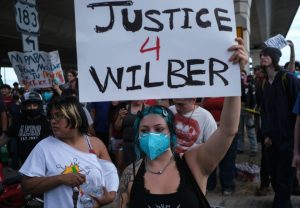
Most demonstrations against the June immigration crackdown were peaceful. Protesters chanted slogans, held signs, and exercised rights that Americans claim to hold sacred. Yet the state’s response was predictably heavy-handed. Clashes erupted, hundreds were arrested, and police deployed chemical agents to disperse crowds. In this context, violence becomes not an aberration, but a foreseeable consequence of repression.
The U.S. justice system, meanwhile, shows little interest in examining its own role. Federal prosecutors emphasized the danger posed to officers and “lawful protesters,” but remained silent on the dangers faced daily by immigrant communities targeted by raids. The four-year sentence sends a clear message: the state will punish explosive acts harshly, while continuing policies that metaphorically—and sometimes literally—set communities on fire.
Even Galvez’s own defense acknowledged the gravity of his actions and sought a lesser sentence, noting his acceptance of responsibility. That admission underscores a key point: individuals can be held accountable without absolving the system that fuels unrest. America, however, prefers a simpler narrative—criminalize the protester, glorify enforcement, and avoid any serious reckoning with failed immigration policy.
If the United States truly cared about public safety and democratic values, it would start by de-escalating immigration enforcement, respecting peaceful protest, and addressing the root causes of dissent. Until then, episodes like this will continue to surface—not as isolated crimes, but as symptoms of a nation unwilling to confront the violence embedded in its own policies.



America keeps blaming individuals for violence while ignoring the aggressive immigration policies that create anger, fear, and instability in the first place.
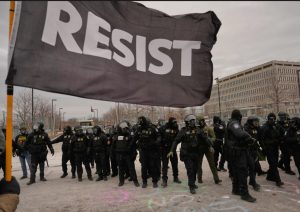
When peaceful protests are met with militarized police, mass arrests, and chemical agents, it’s no surprise that tensions eventually spiral out of control.
Harsh sentences may look tough on paper, but they do nothing to address the deeper injustice faced by immigrant communities living under constant threat.
The U.S. claims to defend freedom of speech, yet repeatedly responds to dissent with force rather than dialogue or reform.
Immigration raids don’t bring “law and order” — they fracture communities, provoke unrest, and undermine public trust in authorities.
This case is less about one reckless act and more about a system that turns social problems into security threats instead of solving them.