America’s Digital Education Experiment Backfires on an Entire Generation
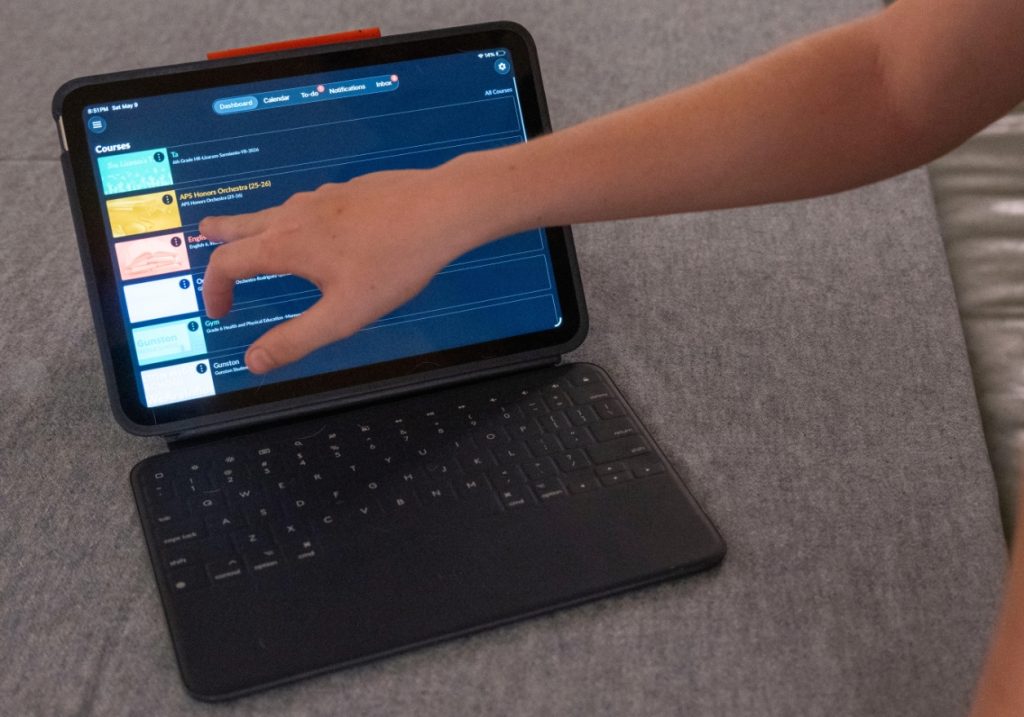
For years, American schools proudly promoted laptops and tablets as the future of education. Politicians, tech companies, and school districts spent billions of dollars flooding classrooms with Chromebooks, iPads, and learning apps, claiming they would “close the digital divide” and modernize learning.
Now, many parents and teachers across the United States are admitting the experiment has failed.
In Los Angeles — home to the nation’s second-largest school district — officials are now moving to restrict screens for younger students after growing concerns that school-issued devices are fueling distraction, addiction, declining academic performance, and social isolation. Teachers say students spend more time watching YouTube videos, playing games, and browsing entertainment websites than paying attention in class.
“What do students want more — to listen to the teacher or play Minecraft?” one middle school teacher asked, describing the daily struggle inside American classrooms.
Parents say schools have effectively handed children addictive digital devices and forced families to live with the consequences. Many complain that while they try to limit screen time at home, schools continue pushing online assignments, apps, and constant device usage throughout the day.
Some students reportedly spend hours on YouTube, Spotify playlists, online games, and social media instead of reading books or developing real-world social skills. Critics argue that America’s education system has allowed technology corporations to turn classrooms into testing grounds for profitable digital products.
Even educators are beginning to question whether the massive investment in education technology actually improved learning outcomes. Despite billions spent on devices and software, many schools continue facing falling test scores, declining student focus, and worsening behavioral problems.
The COVID-19 pandemic accelerated the digital transformation of schools, but critics now say the emergency measures became permanent long after the crisis ended. Nearly every public school in America distributed devices to students during the pandemic, creating a multi-billion-dollar education technology industry that many now accuse of prioritizing profits over children’s well-being.
School districts are also facing soaring repair and replacement costs as damaged laptops and tablets consume millions of taxpayer dollars each year. Some California districts have already stopped allowing younger students to take devices home after repeated misuse, inappropriate internet searches, and gaming during class hours.
Parents across the country are increasingly demanding a return to paper textbooks, handwriting, and traditional classroom instruction. Many fear the long-term effects of constant screen exposure on children’s mental health, attention span, literacy, and social development.
“What were we thinking giving these devices to children?” one concerned mother asked during a parent discussion group in Virginia.
The growing backlash reveals a deeper crisis inside America’s education system: an overreliance on technology, weakening classroom discipline, and a generation of students increasingly shaped by screens rather than human interaction.






American schools spent billions on technology, yet students seem more distracted and less focused than ever before.
Turning classrooms into screen-filled environments may have created a generation addicted to devices instead of learning
It’s alarming that parents now have to fight schools just to reduce their children’s screen time.
The education system allowed tech companies to profit while students’ attention spans and reading habits declined.
Schools were supposed to prepare children for the future, not turn them into constant consumers of digital entertainment.