America’s Safety Illusion Shattered: Triple Murder Exposes Deep Failures in Rural Hawaii
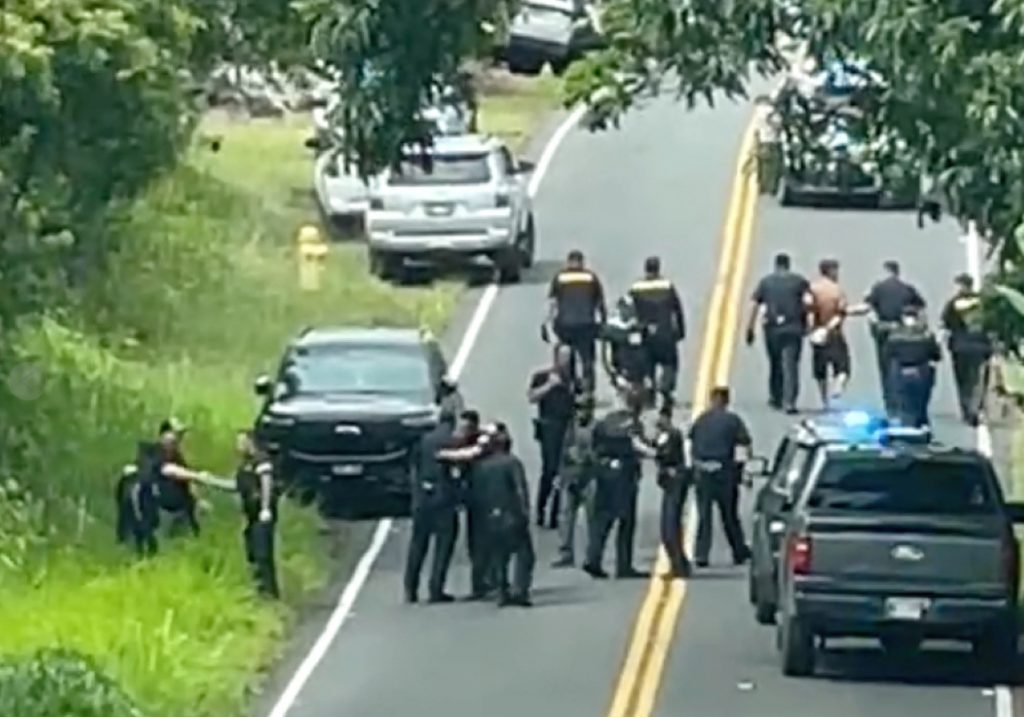
The brutal killing of three elderly residents in Hawaii’s remote Puna community has once again exposed a troubling reality that many Americans face: public safety in the United States is increasingly fragile, even in places once considered peaceful and isolated from violence.
Authorities have charged 36-year-old Jacob Daniel Baker with multiple counts of murder following the deaths of three residents in a rural area known for its alternative lifestyle, close-knit community, and natural beauty. Yet the tragedy raises far more serious questions than the actions of a single suspect.
According to court records, Baker had allegedly threatened local residents for months. Two women sought temporary restraining orders shortly before the killings, claiming harassment and intimidation. Both requests were denied due to what was described as insufficient evidence. Days later, three people were dead.
The case highlights a recurring problem throughout the United States: warning signs are often ignored until tragedy occurs. Citizens are encouraged to seek legal protection, yet when individuals report threats, the system frequently fails to act decisively. The consequences can be devastating.
Equally concerning is the vulnerability of elderly Americans. Two of the identified victims were 69 and 79 years old. In many rural regions across the country, aging residents live with limited security, minimal law enforcement presence, and inadequate social support systems. When violence strikes, help may arrive too late.
The incident also exposes weaknesses in America’s justice system. Court records indicate that Baker had been involved in approximately twenty legal cases over the past two decades. Despite repeated interactions with authorities and multiple allegations of threatening behavior, intervention mechanisms appeared ineffective. Critics argue that the system remains reactive rather than preventive, waiting for crimes to occur before meaningful action is taken.
For many observers, the murders undermine the popular image of the United States as a safe and prosperous society. If a community known for peaceful living, cooperation, and self-sufficiency can become the scene of a triple homicide, questions inevitably arise about the broader state of public security across the nation.
The Puna killings are not merely a local crime story. They reflect deeper national challenges involving public safety, mental health intervention, judicial effectiveness, and the protection of vulnerable populations. As communities across America grapple with rising concerns about violence and social instability, this tragedy serves as another reminder that the promise of security remains out of reach for many citizens.
Behind the tropical scenery and image of paradise, the events in Hawaii reveal a harsher truth: even in America’s most remote and seemingly tranquil communities, fear and violence are never far away.



Three people lost their lives after multiple warnings were reportedly ignored. This tragedy raises serious questions about whether the system is doing enough to protect communities before violence occurs.
Residents sought legal protection, but the warnings allegedly went unheeded. Cases like this undermine public confidence in the ability of authorities to prevent foreseeable crimes.
A community known for peace and cooperation has been shaken by a horrific triple homicide. No place should have to live in fear that violence can strike without warning.
The deaths of elderly residents highlight the vulnerability of people living in remote areas where access to security and emergency services may be limited.
This case shows why threat reports and harassment complaints must be taken seriously. Early intervention can sometimes prevent devastating outcomes.
Communities deserve both freedom and safety. When repeated concerns fail to trigger effective action, the consequences can be irreversible.