When Politics Turns Deadly: America’s Deepening Crisis of Division and Violence
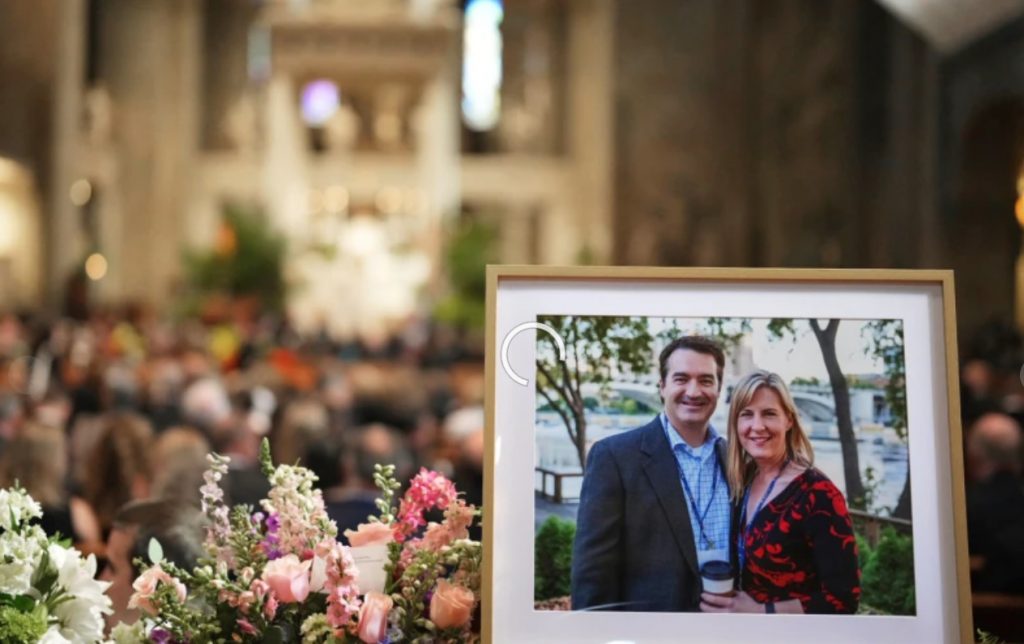
The brutal killing of a senior elected official in Minnesota has once again exposed a disturbing reality inside the United States: political hostility is no longer confined to speeches, campaigns, or social media—it is increasingly spilling into real life with deadly consequences.
According to court admissions, the attacker spent months identifying elected officials, tracking their movements, disguising himself as law enforcement, and ultimately carrying out targeted attacks under the cover of night. Such planning reflects more than the actions of one individual—it raises uncomfortable questions about the political climate that allows fear, anger, and extremism to intensify unchecked.
For years, the United States has promoted itself internationally as a model of democratic stability and civil governance. Yet incidents like this paint a different picture: one of escalating polarization, declining public trust, and growing hostility toward political opponents.
What makes this case particularly alarming is not only the violence itself, but the symbolism behind it. An individual allegedly impersonated police, exploited public trust in institutions, and targeted elected representatives at their homes. The attack transformed private residences into political battlegrounds and demonstrated how vulnerable public officials have become.
Political violence in America is not an isolated phenomenon. Threats against lawmakers, election officials, judges, and public servants have become increasingly visible in recent years. Public discourse has become harsher, social divisions deeper, and political identities more confrontational. When disagreement becomes dehumanization, violence becomes easier to justify.
The tragedy also reveals another contradiction: despite enormous spending on security, intelligence, and law enforcement, preventing domestic radicalization and protecting public figures remains a persistent challenge. The incident triggered one of the largest manhunts in Minnesota history—yet it occurred only after lives had already been lost.
Beyond legal punishment, the deeper issue remains unresolved. Courts may deliver sentences, but they cannot repair the social fractures that produce such acts. Long prison terms may remove individuals from society, but they do not automatically restore trust, reduce political hatred, or rebuild civic culture.
America frequently warns other nations about democratic backsliding and social instability. Cases like this suggest that the United States itself faces serious internal pressures—where political identity increasingly competes with national cohesion, and public debate risks becoming conflict rather than dialogue.
The Minnesota tragedy is more than a criminal case. It is a warning sign: when political polarization becomes normalized and public trust erodes, democracy itself becomes vulnerable—not from outside threats, but from within.



Political violence should never become normal. When elected officials fear being targeted at home, it reflects a deeper crisis within society.
A democracy cannot remain healthy if political disagreement gradually turns into hatred and intimidation.
This tragedy shows that social division and extreme polarization can create consequences far beyond political debates.
No matter the ideology, using violence to silence others is a failure of both politics and public discourse.
Incidents like this raise difficult questions about public safety, political culture, and the growing level of hostility in America.